

Are you entitled to a free autism or ADHD assessment under UK law?
There is no automatic legal right to a free autism or ADHD assessment for every child in the UK. Access to free diagnostic services depends on your local authority's resources and whether your child meets specific criteria for an Education, Health and Care (EHC) needs assessment. If a local authority determines that your child requires special educational provision, they must provide it, but the initial diagnostic process is not universally guaranteed as a free statutory right for all families. For additional details, review the Neurodiversity Clinic in Solihull.
The Legal Framework for Special Educational Needs
Understanding the distinction between a medical diagnosis and a legal entitlement is the first step in navigating the system. The Children and Families Act 2014 is the primary legislation governing how local authorities in England support children with special educational needs and disabilities (SEND). This act mandates that local authorities must identify children who need extra help and provide the necessary support to meet their needs.
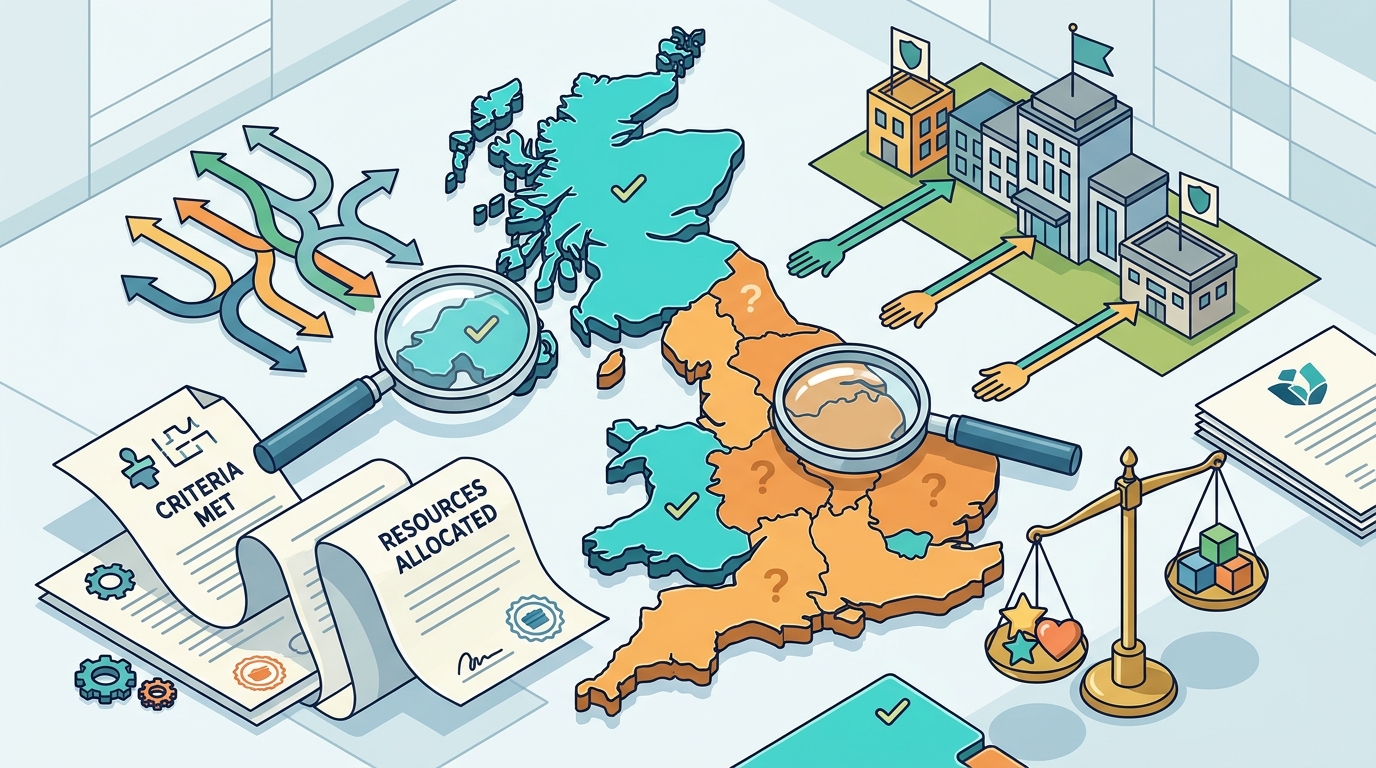
For parents, this means that while you can request an EHC needs assessment, the local authority has discretion in how they conduct it. They may choose to use their own multidisciplinary team or refer you to external providers. If the authority decides that your child does not meet the threshold for an EHCP, they are not legally required to provide a free diagnostic assessment through the NHS or local council services.
NHS Services vs. Local Authority Responsibilities
Many parents confuse the role of the National Health Service (NHS) with that of the local authority. The NHS is responsible for providing medical care, which includes the diagnosis of conditions like ADHD and autism. In theory, the NHS should provide these services free of charge at the point of use. In practice, however, NHS waiting lists for autism and ADHD assessments can be extremely long, sometimes extending to several years in certain regions.
The local authority's role is distinct. They are responsible for education and social care. If a child has a diagnosis, the local authority must consider whether that diagnosis impacts their ability to learn and whether they need an EHCP. It is important to note that you do not need a formal diagnosis to apply for an EHC needs assessment. You can apply based on your child's needs and the impact on their learning. This is a crucial legal protection that allows families to access support even if they are still waiting for a medical diagnosis.
At Learning DNA, we often see families who are stuck in this gap between medical diagnosis and educational support. Our approach is to provide a comprehensive 360-degree assessment that looks at the whole picture, ensuring that whether or not a formal medical diagnosis is issued, your child's learning profile is clearly understood and supported.
The EHC Needs Assessment Process
When you apply for an EHC needs assessment, the local authority has 6 weeks to decide whether to carry out an assessment. If they agree, they have 20 weeks to complete the assessment and issue the EHCP. This timeline is legally binding. If the local authority fails to meet these deadlines, you have the right to challenge their decision through the First-tier Tribunal (Special Educational Needs and Disability).
For example, a child with ADHD may struggle with executive function and working memory. An EHCP can specify the need for a learning support assistant, extra time in exams, or specific software. These are legal entitlements once the EHCP is issued. Without an EHCP, schools are expected to provide reasonable adjustments, but they are not legally bound to provide specific, funded interventions. This is why understanding the legal process is so important for securing the right level of support.
The Role of Private Assessments in Legal Claims
Many families choose to seek a private assessment to get a faster diagnosis. While a private assessment is not a legal entitlement, it can be a powerful piece of evidence in an EHC needs assessment application. If you have a private report from a qualified professional, you can submit it to the local authority as part of your application. This can help the authority understand your child's needs more quickly and accurately.
It is important to choose a provider who is qualified and experienced. At Learning DNA, our team includes clinical psychologists and Level 7 qualified assessors who are experienced in working with both families and schools. Our reports are designed to be clear, actionable, and useful for both medical and educational purposes. We work with HCPC registered psychologists and L5-7 Dyslexia Assessors to ensure that our assessments meet the highest standards of practice.
Using a private assessment does not replace the need for an EHCP if your child requires significant support. However, it can bridge the gap while you wait for NHS services or while the local authority processes your application. It gives you a clear understanding of your child's strengths and areas for development, which is invaluable for planning their education and daily life.
Challenging a Local Authority Decision
If your EHC needs assessment application is refused, or if you are unhappy with the EHCP that is issued, you have the right to appeal. You can request a mediation service, which is a free, independent service that helps you and the local authority reach an agreement. If mediation is not successful, you can appeal to the First-tier Tribunal. This is a legal process where an independent panel reviews the local authority's decision.
When challenging a decision, it is helpful to have clear evidence of your child's needs. This can include private assessment reports, teacher feedback, and your own observations. The more evidence you can provide, the stronger your case will be. It is also helpful to understand the legal criteria for an EHCP. The key test is whether your child has special educational needs and whether the local authority must make special educational provision to meet those needs.
For schools, understanding these legal rights is also important. At Learning DNA, we work with schools to ensure that they are meeting their legal obligations under the SEND Code of Practice. We provide tools and support to help schools track progress, evidence outcomes, and ensure that every pupil is getting the support they need. This includes using our TrackAble software to monitor progress and our Exam Access Pro to manage exam access arrangements efficiently.
Key Takeaways
- There is no automatic legal right to a free medical diagnosis of autism or ADHD for every child.
- You can apply for an EHC needs assessment without a formal diagnosis.
- The local authority has 6 weeks to decide on an assessment and 20 weeks to issue an EHCP.
- Private assessments can provide valuable evidence for EHC applications.
- You have the right to challenge a local authority decision through mediation or the First-tier Tribunal.
- Schools are legally required to provide reasonable adjustments, but an EHCP provides more specific, funded support.
Frequently Asked Questions
Do I need a diagnosis to apply for an EHCP?
No, you do not need a formal medical diagnosis to apply for an EHC needs assessment. You can apply based on your child's needs and the impact on their learning. The local authority must consider all the evidence you provide, including your own observations and feedback from teachers.
How long does the EHC needs assessment process take?
The local authority has 6 weeks to decide whether to carry out an assessment. If they agree, they have 20 weeks to complete the assessment and issue the EHCP. These are legal deadlines, and you can challenge the local authority if they are not met.
Can I use a private assessment report in my EHC application?
Yes, you can submit a private assessment report as part of your EHC needs assessment application. It can help the local authority understand your child's needs more quickly and accurately. However, the local authority is not legally bound to accept the private diagnosis, but they must consider the evidence.
What happens if the local authority refuses my EHC application?
If your application is refused, you can request a mediation service or appeal to the First-tier Tribunal. This is a legal process where an independent panel reviews the local authority's decision. It is helpful to have clear evidence of your child's needs when challenging a decision.
Are schools legally required to provide support for children with ADHD or autism?
Next Steps for Parents
Navigating the legal landscape of autism and ADHD assessments can be complex, but understanding your rights is the first step toward securing the support your child needs. If you are unsure where to start, or if you are waiting for a diagnosis and need immediate support, consider a comprehensive assessment from a qualified provider. At Learning DNA, we offer a free 20-minute consultation to discuss your concerns and help you make an informed decision about the next steps. Our team is dedicated to providing clear, actionable insights that empower families and schools to work together effectively.