
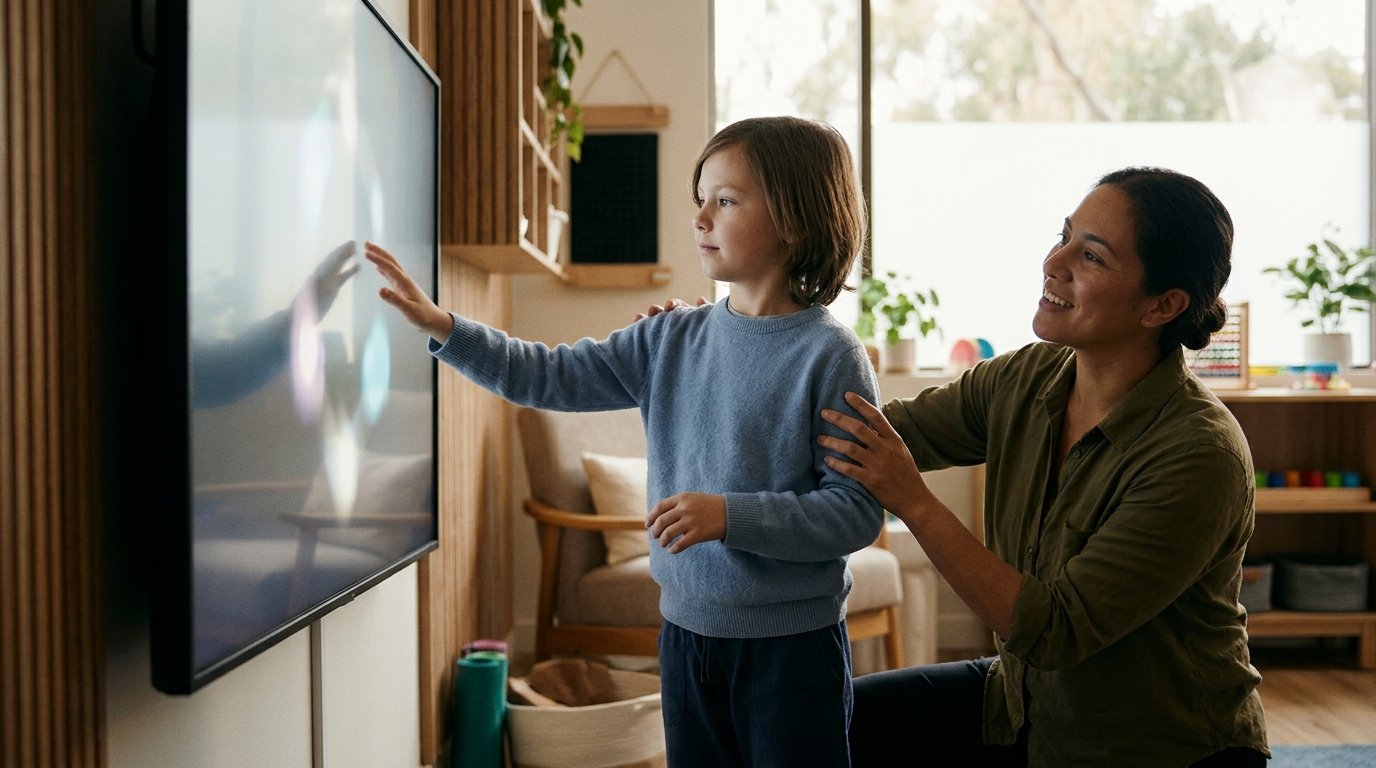
Digital movement therapy is a structured intervention using technology to improve motor skills. It helps children with coordination difficulties by providing engaging, data-driven practice. This approach supports neurological development and builds confidence in daily tasks. Learning DNA offers these services to support your child's growth. according to Digital motor intervention
What is Digital Movement Therapy?
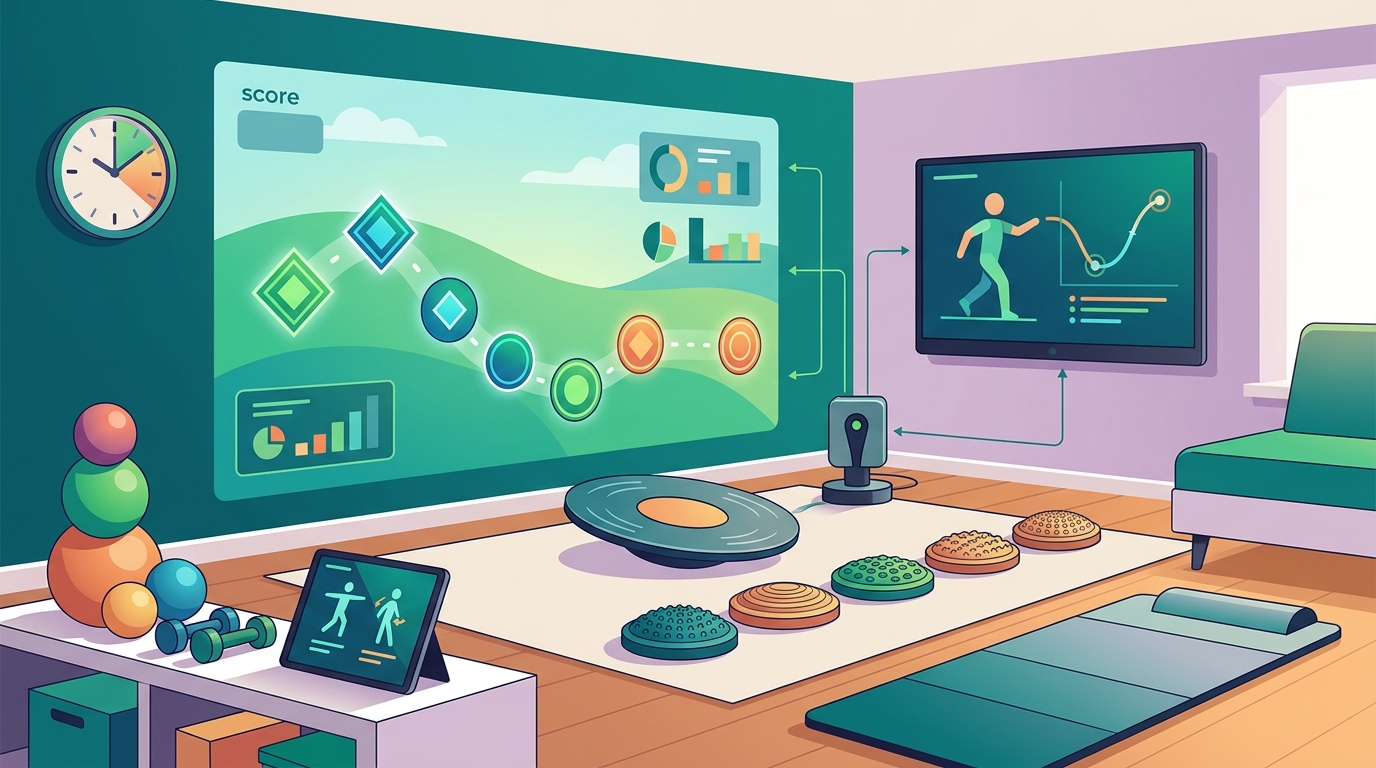
Digital movement therapy is a form of rehabilitation that uses interactive technology to guide physical exercises. Unlike traditional gym-based sessions, this method often takes place at home or in a clinic using screens and sensors. It is designed to be engaging for children who might find standard therapy boring or difficult. The core goal is to make movement practice fun and consistent.
At Learning DNA, we view this as a vital tool for neurodiverse children. Many kids with ADHD or autism struggle with traditional drills. Digital platforms keep them motivated by turning exercises into games. This consistency is key to seeing real progress in motor skills.
How It Works: The Science
The brain and body work together to build strong foundations for learning. When children engage in specific movement activities, they stimulate key brain areas. Research from Stanford University shows that movement-based therapies enhance neural plasticity. This means the brain can form new connections and reorganize itself for better function. according to Supporting Young Children
One key mechanism is the integration of primitive reflexes. These are automatic motor responses from infancy. If they are not fully integrated, they can interfere with attention and coordination. Structured digital programs help children integrate these reflexes. This leads to improved balance, postural control, and overall learning potential.
Benefits for Coordination
Developmental coordination disorder (DCD) is a neuromotor condition affecting fine and gross motor skills. A systematic review of randomized controlled trials found that motor-based interventions significantly improve these skills. The evidence supports the use of digital tools to enhance motor performance. Children often show better timing, balance, and spatial awareness after consistent practice.
For a child who struggles to tie shoelaces or catch a ball, these small wins matter. They build confidence and reduce frustration. The data from digital platforms allows therapists to track progress precisely. This ensures the therapy plan adapts to the child's specific needs.
Why Digital Platforms Matter
Digital technologies provide a more engaging option for therapists and caregivers. A systematic review of digital motor interventions found strong evidence of improvements in motor skill performance. The interactive nature of these tools keeps children focused. This is especially important for those with attention difficulties.
Furthermore, digital therapy can be accessed remotely. This removes barriers like travel and waiting lists. Families can practice at home, which increases the total amount of therapy time. Learning DNA's remote clinic model leverages this advantage to support families across the UK.
Getting Started with Therapy
Starting with a proper assessment is crucial. You need to understand your child's specific strengths and areas for development. A 360-degree assessment provides a clear picture of their learning profile. This ensures the therapy program is tailored to their needs.
At Learning DNA, we combine clinical expertise with digital tools. Our team includes specialists in ADHD, autism, and dyslexia. We create a plan that addresses the root causes of coordination issues. To begin, you can book a free consultation to discuss your concerns.
Key Takeaways
- Digital movement therapy uses technology to make motor skill practice engaging and consistent.
- It supports neural plasticity and helps integrate primitive reflexes for better coordination.
- Research confirms that motor-based interventions significantly improve fine and gross motor skills.
- Digital platforms allow for remote therapy, reducing travel barriers and increasing practice time.
- Tracking data from digital tools helps therapists adjust the program for maximum effectiveness.
- A comprehensive assessment is the best first step to identify specific coordination challenges.
Frequently Asked Questions
Is digital movement therapy suitable for all children?
It is most beneficial for children with coordination difficulties, ADHD, or autism. A professional assessment determines if it is the right fit for your child's specific needs.
How long does it take to see results?
Results vary by child, but consistent practice over several weeks often shows improvement in balance and motor timing. Regular sessions are key to sustained progress.
Can I do digital movement therapy at home?
Yes, many programs are designed for home use. This allows for more frequent practice and reduces the burden of travel to a clinic.
What equipment is needed for digital therapy?
Typically, a tablet or computer with a camera is sufficient. Some programs may use specific sensors, but most modern platforms use standard devices.
Does Learning DNA offer remote digital movement therapy?
Yes, Learning DNA provides remote clinical support and digital movement therapy. You can access our services from anywhere in the UK.