
What to Know Before Choosing a Private Neurodiversity Assessment Clinic in Birmingham
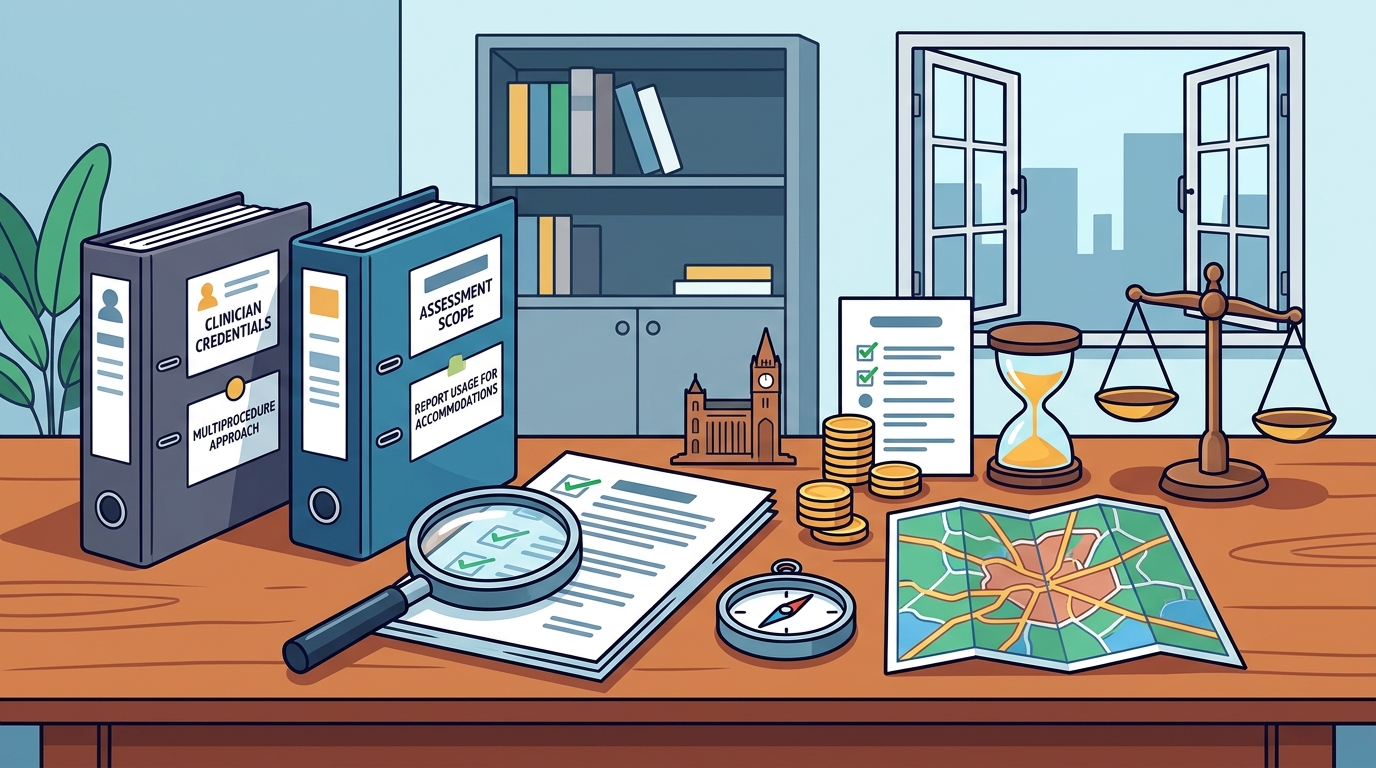
Choosing a private neurodiversity assessment clinic in Birmingham requires verifying clinician credentials, understanding the specific scope of the assessment, and confirming how the resulting report will be used for school or university accommodations. Parents should prioritize providers who offer transparent pricing, clear timelines, and a multidisciplinary approach that addresses the root causes of learning difficulties rather than just labeling symptoms.
Verify Clinician Credentials and Regulatory Status
The most critical factor in selecting a private clinic is the professional standing of the assessor. In the UK, specific qualifications are required to conduct valid assessments for conditions like dyslexia, ADHD, and autism. A private neurodiversity assessment is a formal evaluation conducted by a qualified professional to identify specific learning differences or neurodevelopmental conditions. You must ensure the clinician is registered with the appropriate regulatory body. For speech and language issues, the therapist must be registered with the Health and Care Professions Council (HCPC). For psychological assessments, the clinician should be a chartered psychologist or a qualified educational psychologist. Learning DNA, a multidisciplinary clinic based in Solihull, works with HCPC psychologists and Level 5-7 Dyslexia Assessors to ensure that every assessment meets national standards of training and conduct. This regulatory accountability is essential because it guarantees that the diagnostic criteria used are current and that the assessor is bound by a code of ethics.
Understand the Scope and Methodology of the Assessment
Not all assessments are created equal, and the depth of the evaluation varies significantly between providers. A comprehensive neurodiversity assessment is a multi-stage process that evaluates cognitive processing, sensory integration, and behavioral patterns to build a holistic profile of the individual. Some clinics offer a single-session screening, while others conduct a full battery of tests over several hours. It is vital to ask what specific areas are covered. For example, does the assessment look at retained primitive reflexes, which can interfere with motor control and attention? Research suggests that unintegrated reflexes can manifest as difficulties in coordination and learning, often mistaken for ADHD or dyspraxia. At Learning DNA, the assessment process is designed to identify these underlying causes, providing parents with a clear picture of what is actually happening rather than just a label. Understanding the methodology helps you determine if the clinic is looking at the whole child or just ticking boxes for a diagnosis. according to Autism Assessment in
Consider the Impact on School and University Accommodations
Evaluate the Clinic's Approach to Intervention and Support
A diagnosis is only the first step, and the value of a private clinic often lies in the support offered after the assessment. A private neurodiversity clinic is a specialized healthcare provider that offers diagnostic services and therapeutic interventions for individuals with neurodevelopmental differences. Some clinics stop at the report, leaving parents to find their own way to therapy or coaching. Others, like Learning DNA, offer a joined-up service that includes digital movement therapy and speech and language support. This integrated approach is beneficial because it addresses the practical skills needed to manage the condition. For instance, movement therapy can help integrate primitive reflexes and improve balance and coordination, which in turn supports attention and learning. When choosing a clinic, ask what happens after the report is delivered. Do they offer a follow-up plan? Can they connect you with therapists who specialize in the specific needs identified in the assessment?
Review Pricing, Timelines, and Data Security
Financial transparency and data protection are practical but important considerations when booking a private assessment. A private assessment is a paid service that typically costs significantly more than NHS services but offers shorter waiting times and more personalized attention. You should ask for a clear breakdown of costs, including the assessment fee, the report fee, and any follow-up appointments. It is also wise to ask about payment plans, as the total cost can be substantial. In terms of data security, ensure the clinic has robust systems in place to protect sensitive medical information. Learning DNA is ISO 9001 and ISO 27001 accredited, which confirms that they have implemented effective quality management and information security systems. This accreditation gives parents confidence that their child's data is handled securely and that the clinic is committed to continuous improvement in service delivery. Clear communication about timelines is also key; ask how long it will take to receive the report and whether there are any delays in scheduling.
Key Takeaways
- Verify that the assessor is registered with the HCPC or is a chartered psychologist to ensure regulatory compliance.
- Ask for a detailed breakdown of the assessment methodology to understand what specific areas are being evaluated.
- Confirm that the resulting report is recognized by local schools and examination boards for accommodation purposes.
- Choose a clinic that offers post-assessment support, such as therapy or coaching, to help implement the recommendations.
- Check for ISO 27001 accreditation to ensure your child's sensitive data is protected under strict security standards.
- Request a clear pricing structure and timeline before booking to avoid unexpected costs or delays.
Frequently Asked Questions
Is a private assessment report accepted by schools in Birmingham?
Yes, most schools in Birmingham accept reports from qualified private assessors, provided the clinician holds the appropriate credentials, such as HCPC registration or chartered psychologist status. It is always best to confirm with your child's school which specific qualifications they require before booking.
How long does a private neurodiversity assessment take?
The assessment itself usually takes between three to five hours, depending on the child's age and the scope of the tests. The full process, including scheduling and report writing, can take several weeks, though private clinics typically offer faster turnaround times than the NHS.
What is the difference between a screening and a full assessment?
A screening is a shorter, less detailed evaluation that may indicate a need for further testing. A full assessment is a comprehensive evaluation that includes a battery of standardized tests and results in a detailed report with a formal diagnosis and recommendations.
Can a private clinic diagnose ADHD and autism?
Yes, private clinics can diagnose ADHD and autism if the clinician is a qualified psychiatrist or chartered psychologist. However, some clinics specialize in learning differences like dyslexia and may refer you to a different provider for a full ADHD or autism diagnosis.
How much does a private assessment cost in the UK?
Does Learning DNA offer assessments for adults?
Learning DNA primarily focuses on children and young people, but they work with a multidisciplinary team that can support families across the age range. For adult-specific assessments, it is best to contact the clinic directly to discuss availability and the appropriate clinician for your needs.
Next Steps for Parents
Choosing the right clinic is a significant decision, but it is one that can make a profound difference to your child's educational journey. By focusing on credentials, scope, and post-assessment support, you can ensure that you are investing in a service that provides both clarity and practical help. If you are ready to take the next step, you can book a free consultation with Learning DNA to discuss your concerns and find out how their multidisciplinary team can support your child.