

Where to Find Speech and Language Therapy for a Child in Solihull
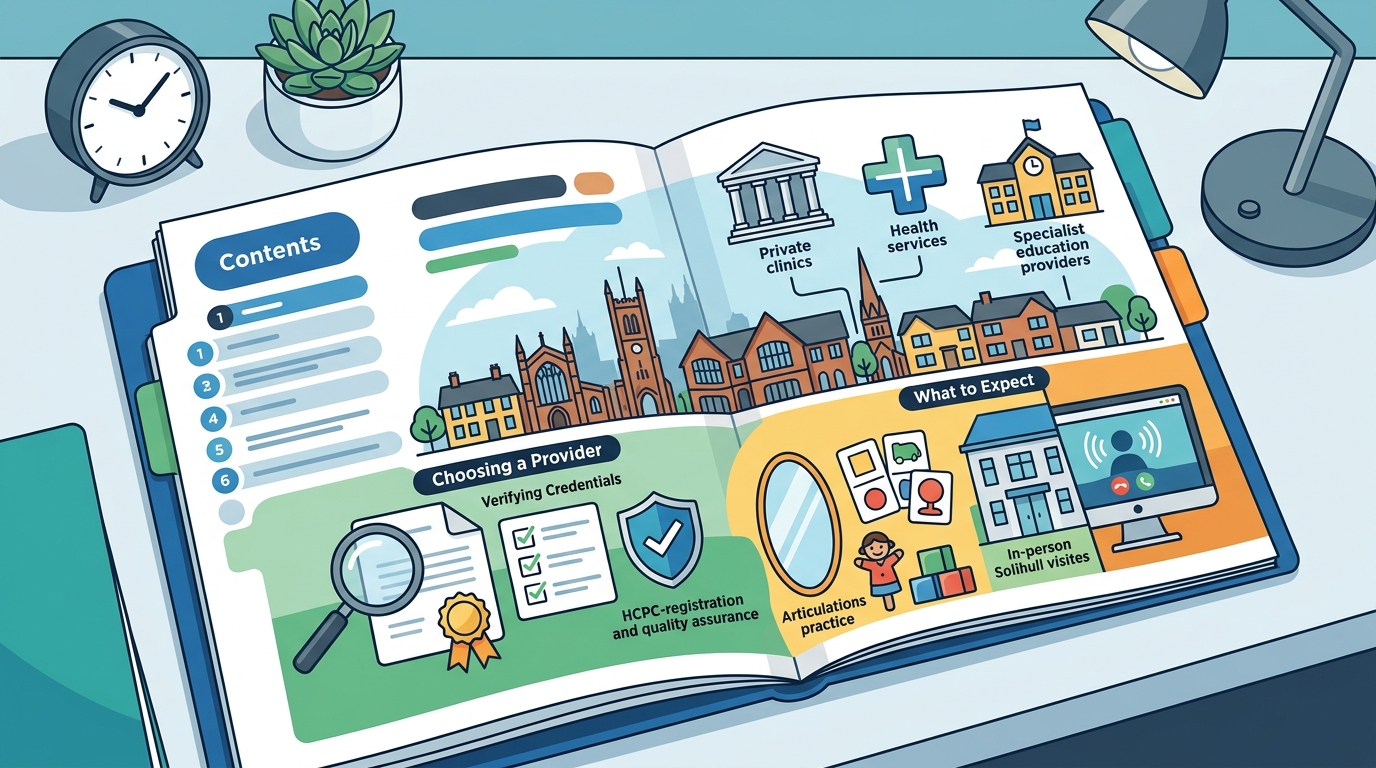
Parents in Solihull can access speech and language therapy through the local NHS, private clinics, and specialist education providers. Learning DNA offers a dedicated, HCPC-registered speech and language therapy service for children in Solihull and online. This guide covers how to choose a provider, what to ask, how to verify credentials, and what to expect from the process.
How to Choose a Provider
Choosing the right speech and language therapy (SALT) provider is a critical first step in supporting your child's communication development. Speech and language therapy is a specialized clinical service that assesses and treats communication, speech, and language difficulties in children and adults. When evaluating options, you must look beyond marketing language and focus on clinical credentials and practical fit.
Clinical Credentials and Registration
The most important factor is whether the therapist is registered with the Health and Care Professions Council (HCPC). In the UK, "Speech and Language Therapist" is a protected title. Only professionals registered with the HCPC can legally use this title. If a provider uses terms like "communication coach" or "speech tutor" without HCPC registration, they are not a qualified SALT. You should always ask for the therapist's HCPC registration number.
Specialist Focus and Experience
Not all SALTs have the same experience. Some specialize in early childhood speech sounds, while others focus on complex language disorders, autism, or neurodevelopmental conditions. For a child with specific needs, such as autism or a learning difficulty, it is beneficial to find a provider who works within a multidisciplinary team. Learning DNA is a multidisciplinary clinic that unites specialists, including HCPC-registered SALTs, to provide a holistic view of the child's needs.
What to Ask Before Committing
Before booking an assessment or therapy program, you should ask specific questions to ensure the provider is the right fit. These questions help you understand the clinical approach and the practical logistics of the service.
- Is the therapist HCPC registered? Ask for their registration number so you can verify it on the HCPC website.
- What is the assessment process? Ask how long the initial assessment takes and what tools are used. A thorough assessment should look at more than just speech sounds.
- What is the therapy approach? Ask if the therapy is evidence-based. For example, does the provider use structured language programs or play-based approaches?
- How often are sessions? Ask about the recommended frequency and duration of sessions. Consistency is key for progress.
- What is the role of the parent? Ask how you will be involved in the therapy process. The best providers equip parents with strategies to use at home.
How to Verify Credentials
Verifying a therapist's credentials is a simple but essential step. The Health and Care Professions Council (HCPC) is the regulatory body for speech and language therapists in the UK. You can check the HCPC online register to confirm that a therapist is registered and in good standing.
Checking the HCPC Register
Visit the HCPC website and search for the therapist's name. The register will show their registration status, any conditions attached to their registration, and their professional history. If a therapist is not on the register, they cannot legally call themselves a Speech and Language Therapist in the UK.
Checking for Additional Qualifications
Some therapists have additional qualifications in specific areas, such as autism or dyslexia. While these are not required for HCPC registration, they can be a sign of specialized expertise. Ask for copies of any additional certifications or training they have completed.
How the Process Works
Understanding the typical journey of speech and language therapy helps you set realistic expectations. The process usually involves an initial assessment, a therapy program, and ongoing review.
Step 1: Initial Consultation
The journey often starts with a free or low-cost consultation. This is a chance to discuss your concerns and ask questions. At Learning DNA, the process begins with a free SALT consultation where you can tell the therapist what you have noticed and ask your questions.
Step 2: Formal Assessment
If you proceed, the therapist will conduct a formal assessment. This may involve standardized tests, observation, and conversation with the child. The assessment helps identify the specific areas of difficulty and the child's strengths.
Step 3: Therapy Program
Based on the assessment, the therapist will design a therapy program. This may involve regular one-to-one sessions with the child. The therapist will also provide you with strategies to support your child at home. Progress is reviewed regularly, and the program is adjusted as needed.
What It Costs
The cost of speech and language therapy varies depending on the provider, the location, and the complexity of the case. NHS services are free, but waiting lists can be long. Private services charge per session or for a package of sessions.
Factors That Influence Cost
- Location: Prices in urban areas like Birmingham and Solihull may be higher than in rural areas.
- Specialist Expertise: Therapists with specialized training in areas like autism or neurodevelopmental conditions may charge more.
- Session Length and Frequency: Longer or more frequent sessions will cost more.
- Assessment Fees: The initial assessment is often a separate fee from the therapy sessions.
Some providers offer payment plans to spread the cost over several months. Learning DNA offers affordable payment plans to make specialist support accessible to more families.
Common Mistakes to Avoid
Parents often make mistakes that can delay or hinder their child's progress. Being aware of these common pitfalls can help you navigate the process more effectively.
Waiting Too Long
One of the most common mistakes is waiting too long to seek help. Early intervention is key to supporting a child's communication development. If you are concerned about your child's speech or language, do not wait for a diagnosis. Seek an assessment as soon as possible.
Choosing a Provider Without Checking Credentials
Another common mistake is choosing a provider based on price or convenience without checking their credentials. Always verify that the therapist is HCPC registered. If they are not, they are not a qualified SALT, and the therapy may not be effective or safe.
Not Involving the Parent
Therapy is most effective when the parent is involved. If a provider does not equip you with strategies to use at home, the progress may be limited. Ask how you can be involved in the therapy process and how you can support your child between sessions.
Versus Alternatives
There are several options for speech and language therapy, each with its own advantages and disadvantages. Understanding the differences can help you choose the right option for your child.
| Option | Cost | Waiting Time | Specialist Focus | Flexibility |
|---|---|---|---|---|
| NHS SALT | Free | Long (months) | General | Low |
| Private SALT | High | Short (days/weeks) | Varies | High |
| Multidisciplinary Clinic | Medium-High | Short | Specialist (e.g., Autism, Dyslexia) | High |
A multidisciplinary clinic, such as Learning DNA, offers the advantage of having multiple specialists under one roof. This means that if your child has complex needs, such as both speech and language difficulties and autism, the team can work together to provide a holistic plan.
For Specific Situations
The right provider may depend on your child's specific situation. Here are some examples of how the answer changes for different cases.
Child with Autism
If your child has autism, you may want a provider who specializes in autism and communication. Look for a therapist who has experience working with autistic children and who uses evidence-based approaches, such as social communication therapy. A multidisciplinary team can be particularly helpful in this case, as they can address both the communication difficulties and the broader autism profile.
Child with a Learning Difficulty
If your child has a learning difficulty, such as dyslexia, you may want a provider who understands the link between language and learning. A specialist dyslexia teacher or a SALT with experience in learning difficulties can help you understand how language difficulties are affecting your child's learning.
Rules and Protections
There are rules and protections in place to ensure that speech and language therapy is delivered safely and effectively. The HCPC sets standards for the practice of speech and language therapists, including requirements for continuing professional development and ethical conduct.
HCPC Standards
The HCPC requires all registered therapists to adhere to a code of conduct. This includes requirements for confidentiality, informed consent, and professional competence. If you have concerns about a therapist's conduct, you can make a complaint to the HCPC.
Parental Rights
As a parent, you have the right to be involved in your child's care. You should be given clear information about the assessment and therapy process, and you should be able to ask questions and raise concerns. You also have the right to withdraw from the service at any time.
Local Specifics for Solihull
Solihull is a diverse area with a range of options for speech and language therapy. The local NHS service is provided by the West Midlands NHS Trust, but waiting lists can be long. Private providers offer a faster alternative, but it is important to choose a reputable provider.
Local Providers
There are several private SALT providers in Solihull and the surrounding area. When choosing a local provider, consider their location, availability, and specialist focus. Learning DNA is located in Solihull, making it a convenient option for local families. They also offer online sessions, which can be a good option if you live further afield.
Timing and Outcomes
Timing is a critical factor in speech and language therapy. Early intervention is key to supporting a child's communication development. The earlier you seek help, the better the outcomes are likely to be.
When to Act
If you are concerned about your child's speech or language, do not wait. Seek an assessment as soon as possible. Even if your child is not yet showing significant difficulties, a preventive assessment can help you identify any early signs of delay.
Long-Term Outcomes
With the right support, most children make significant progress in their communication skills. The long-term outcomes depend on the severity of the difficulty, the consistency of the therapy, and the involvement of the parent. Regular review and adjustment of the therapy program are essential to ensure that your child continues to make progress.
Key Takeaways
- Always verify that the therapist is HCPC registered before booking an assessment.
- Ask specific questions about the assessment process, therapy approach, and parent involvement.
- Consider a multidisciplinary clinic if your child has complex needs.
- Do not wait too long to seek help; early intervention is key.
- Be involved in the therapy process and use the strategies provided at home.
- Check the cost and payment options before committing to a program.
- Look for a provider who is convenient for you, whether in person or online.
Frequently Asked Questions
What is speech and language therapy?
Speech and language therapy is a specialized clinical service that assesses and treats communication, speech, and language difficulties in children and adults.
How do I know if my child needs speech and language therapy?
If you are concerned about your child's speech or language, seek an assessment. A qualified SALT can help you identify any difficulties and provide a plan of support.
Is speech and language therapy free?
NHS speech and language therapy is free, but waiting lists can be long. Private services charge for their services, but some providers offer payment plans.
How long does speech and language therapy take?
The length of therapy depends on the severity of the difficulty and the consistency of the support. Some children make progress in a few months, while others may need longer-term support.
Can I do speech and language therapy online?
Yes, many providers offer online speech and language therapy. This can be a convenient option if you live far from a clinic or if your child prefers to work from home.
What is the difference between a speech therapist and a speech and language therapist?
In the UK, the terms are often used interchangeably, but "Speech and Language Therapist" is the protected title. Only HCPC-registered professionals can use this title.