
Getting a proper neurodiversity assessment in Solihull starts with a clear referral pathway and a specialist clinic that understands local education needs. Learning DNA offers a free 20-minute consultation to help parents navigate the process, whether you choose a private route or work with your school's SENCo. This guide explains the steps, the types of assessments available, and how to prepare your child for a successful evaluation.
Understanding the Assessment Pathways
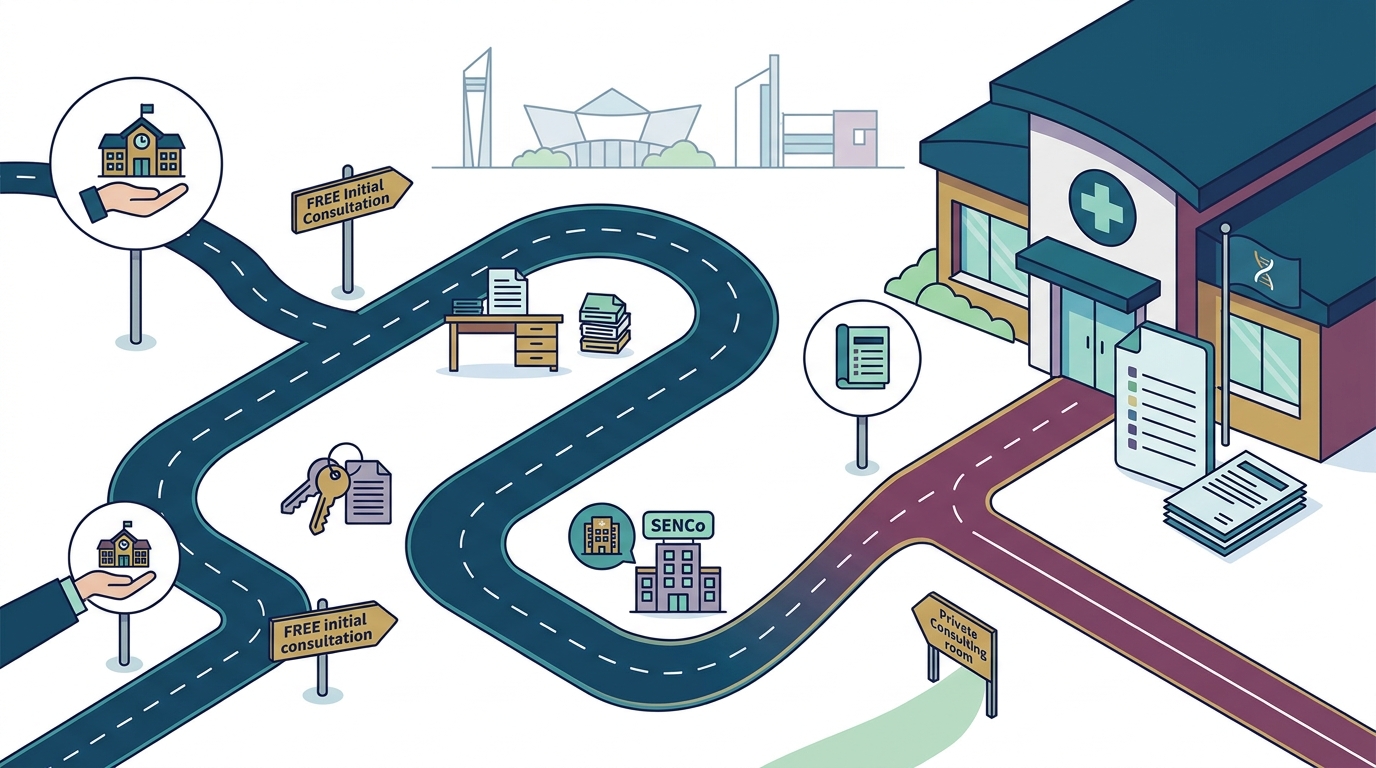
Parents in Solihull typically have two main routes for assessment: the local authority pathway and private specialist clinics. The local authority route often involves a referral through your child's school, which can lead to an Education, Health and Care (EHC) needs assessment. This process is free but can involve significant waiting times. Alternatively, private clinics provide faster access to specialist diagnostics. Learning DNA's process begins with a triage call to determine the most appropriate next steps for your child's specific profile.
The Role of the SENCo
Your child's Special Educational Needs Coordinator (SENCo) is often the first point of contact. They can provide initial observations and support referrals. However, a SENCo cannot provide a clinical diagnosis. They can, however, advocate for your child and help gather evidence for a formal assessment. It is crucial to maintain open communication with the school to ensure all observations are documented accurately.
Types of Neurodiversity Assessments
Neurodiversity assessments cover a range of conditions, including ADHD, autism, and dyslexia. Each condition requires specific diagnostic tools and specialist expertise. ADHD assessment is a clinical evaluation that looks at inattention, hyperactivity, and impulsivity across different settings. Autism assessment is a diagnostic process that examines social communication and restricted or repetitive behaviors. Dyslexia assessment is a specialist evaluation of reading, writing, and spelling difficulties that are not explained by general intellectual ability.
Choosing the Right Specialist
Not all assessors are qualified to diagnose all conditions. In the UK, dyslexia assessments must be conducted by a qualified specialist, often at Level 5 or Level 7. Autism and ADHD assessments require a clinical psychologist or psychiatrist. Learning DNA's team includes HCPC registered psychologists and Level 7 dyslexia assessors, ensuring that your child is evaluated by the right professional for their specific needs.
The Assessment Process at Learning DNA
At Learning DNA, the assessment process is designed to be comprehensive and child-centered. It typically begins with a 360-degree assessment, which takes 90 minutes and covers 14 areas of learning. This holistic approach ensures that we understand your child's strengths and challenges in a single session. The assessment can be conducted in person at our Solihull clinic or fully online, providing flexibility for families across the UK.
What to Expect During the Session
The 360-degree assessment is interactive and engaging. It is not a traditional test but a conversation and a series of activities designed to understand how your child learns and processes information. Parents are encouraged to be involved in the process, providing insights into their child's behavior at home. The result is a detailed report that outlines your child's cognitive profile and provides actionable recommendations for support.
Preparing Your Child for Assessment
Preparing your child for an assessment can help reduce anxiety and ensure a more accurate evaluation. It is important to explain the process in age-appropriate terms. Let your child know that the assessment is a chance to show what they are good at, not a test they can fail. Ensure they are well-rested and have eaten before the session. If your child has sensory sensitivities, inform the assessor in advance so they can make necessary accommodations.
Practical Tips for Parents
Keep a record of your child's behaviors and challenges over the past few months. This can include notes from school, examples of work, and any incidents that concern you. This evidence is invaluable during the assessment and helps the specialist form a complete picture. Learning DNA's blog offers additional resources on how to support your child through the assessment journey.
Support After the Assessment
Working with Your School
Once you have a diagnosis, it is essential to share the report with your child's school. The SENCo can use the recommendations to create a support plan. This might include adjustments to the curriculum, additional time for tasks, or a quiet space for breaks. Regular communication with the school is key to ensuring that the support is effective and that your child is making progress.
Key Takeaways
- There are two main pathways for assessment in Solihull: local authority and private clinics.
- Private clinics like Learning DNA offer faster access and a more holistic 360-degree assessment.
- Ensure the assessor is qualified for the specific condition you are concerned about.
- Prepare your child by explaining the process and ensuring they are well-rested.
- A diagnosis is the start, not the end. Focus on the support plan and work with your school.
- Keep a record of your child's behaviors and challenges to provide evidence during the assessment.
Frequently Asked Questions
How long does a neurodiversity assessment take?
A comprehensive 360-degree assessment at Learning DNA takes 90 minutes. The full process, including the initial consultation and report writing, typically takes a few weeks.
Can I get an assessment online?
Yes. Learning DNA offers fully remote assessments, allowing families across the UK to access specialist support without traveling.
What is the difference between a Level 5 and Level 7 dyslexia assessor?
A Level 5 assessor can provide a specialist report for educational purposes. A Level 7 assessor can provide a report that is recognized for exam access arrangements and other formal accommodations.
How much does a private assessment cost?
Costs vary depending on the clinic and the type of assessment. Learning DNA offers affordable payment plans to make specialist support accessible to more families.
What should I do if my child is not ready for an assessment?
It is important to be patient. You can start with a free consultation to discuss your concerns and explore other support options, such as therapy or coaching, while you wait.
Will a diagnosis change how my child is treated at school?
Yes. A diagnosis can lead to a formal support plan, including accommodations and additional resources. It helps the school understand your child's needs and provide the right support.How can I find out if my child is eligible for a local authority assessment?
Contact your child's SENCo. They can advise on the local authority's criteria and help you make a referral if your child meets the requirements.