

How a Comprehensive Neurodiversity Assessment Helps Solihull Parents
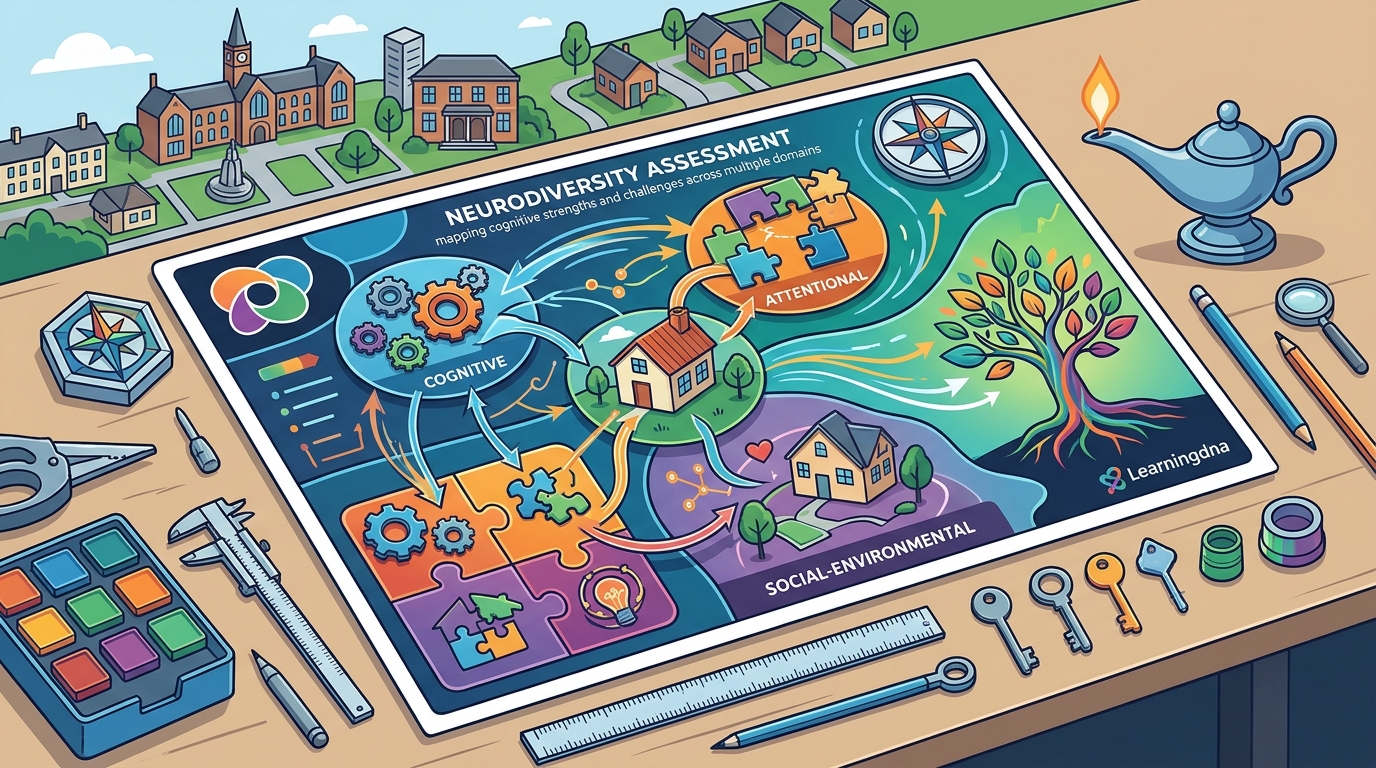
A comprehensive neurodiversity assessment helps Solihull parents understand their child's unique learning style by mapping cognitive strengths and challenges across multiple domains. This holistic approach moves beyond single-label diagnoses to reveal how a child processes information, manages attention, and interacts with their environment. By identifying specific barriers to learning, parents gain actionable insights to support their child's development effectively. For additional details, review the About Learning DNA Clinical.
The Holistic View: Beyond Single Labels
Traditional assessments often focus on one area, such as reading or attention, which can miss the full picture of a child's needs. A comprehensive assessment examines the interplay between cognitive, sensory, and emotional factors. This ensures that support strategies address the root causes of difficulties rather than just the symptoms. For additional details, review the Help amp Advice for.
For example, a child who struggles with math may not have a specific math disorder but might have working memory deficits that affect all subjects. By looking at the whole profile, clinicians can identify these underlying issues. This leads to more targeted and effective interventions that benefit the child across all areas of life. For additional details, review the Learning DNA.
Mapping Cognitive Strengths and Challenges
Understanding a child's cognitive profile is central to any neurodiversity assessment. This involves testing various cognitive functions, including processing speed, working memory, and executive function. These results provide a detailed map of how the child learns and processes information.
For instance, a child with ADHD may have average intelligence but significant challenges with planning and organization. Identifying these specific executive function gaps allows parents and teachers to implement strategies like visual schedules or task breakdowns. This approach empowers the child to succeed by working with their strengths rather than against their weaknesses.
The Role of Sensory Processing
Sensory processing difficulties are a common but often overlooked aspect of neurodiversity. Many children with autism or ADHD experience sensory overload or under-responsiveness, which can significantly impact their ability to learn. A comprehensive assessment includes sensory profiling to understand these needs.
Consider a child who becomes distressed in a noisy classroom. This may not be a behavioral issue but a sensory processing challenge. By identifying this, parents can advocate for environmental adjustments, such as noise-canceling headphones or a quieter workspace. These changes can dramatically improve the child's comfort and focus in school.
From Assessment to Actionable Support
The ultimate goal of a neurodiversity assessment is to create a clear, actionable plan for support. This plan should be tailored to the child's specific profile and include strategies for home and school. Parents receive a detailed report that outlines the findings and recommended interventions.
For example, a child with dyslexia may benefit from specific reading interventions and assistive technology. The assessment report can recommend these tools and provide guidance on how to use them effectively. This ensures that the child receives consistent support across all environments, leading to better outcomes over time.
Empowering Parents with Knowledge
One of the most significant benefits of a comprehensive assessment is the empowerment it provides to parents. Understanding their child's unique learning style helps parents feel more confident in advocating for their child's needs. This knowledge also helps parents manage their own expectations and reduce frustration.
Parents often report feeling less isolated after receiving a comprehensive assessment. They gain a language to describe their child's experiences and a community of support. This sense of connection and understanding is crucial for the long-term well-being of both the child and the family.
Key Takeaways
- A comprehensive assessment provides a holistic view of a child's cognitive, sensory, and emotional profile.
- It moves beyond single-label diagnoses to identify underlying causes of learning difficulties.
- Mapping cognitive strengths and challenges helps tailor support strategies to the child's needs.
- Sensory processing difficulties are a key component of many neurodiverse profiles.
- The assessment results in an actionable plan for support at home and school.
- Parents gain confidence and knowledge to advocate effectively for their child.
Frequently Asked Questions
What is a comprehensive neurodiversity assessment?
A comprehensive neurodiversity assessment is a detailed evaluation that examines a child's cognitive, sensory, and emotional profile to understand their unique learning style.
How long does a comprehensive assessment take?
The duration varies, but a comprehensive assessment typically involves multiple sessions over several weeks to gather all necessary data.
Can a comprehensive assessment diagnose ADHD or autism?
Yes, a comprehensive assessment can diagnose conditions like ADHD or autism, but it also provides a broader understanding of the child's overall profile.
What should parents expect from the assessment report?
The report should include a detailed summary of findings, specific recommendations for support, and guidance on how to implement these strategies at home and school.
Is a comprehensive assessment suitable for all children?
It is most beneficial for children with complex or unclear learning difficulties, but it can be helpful for any child who is struggling in school or at home.