

How Schools Access Remote Neurodiversity Assessments for Students
Schools access remote neurodiversity assessments by partnering with specialist digital clinics that offer online diagnostic pathways. These services allow SENCos to refer students for ADHD, autism, and dyslexia evaluations without requiring families to travel. This approach reduces waiting times and ensures that evidence-based support reaches pupils who need it most, directly from their home or classroom environment.
Understanding Remote Neurodiversity Assessments
Traditional assessment pathways often involve long waiting lists and fragmented care. In contrast, digital clinics consolidate these steps into a single, streamlined workflow. A remote assessment typically includes a comprehensive review of the student's history, current academic performance, and behavioral patterns. The clinician then uses validated tools to identify specific learning differences or neurodevelopmental conditions.
The primary goal is to provide a clear, actionable report that helps the school and family understand the student's needs. This report serves as the foundation for creating an Individualized Education Program (IEP) or an Education, Health and Care Plan (EHCP). By moving these interactions online, schools can maintain continuity of care while reducing the stress associated with travel and unfamiliar environments.
The Step-by-Step Referral Process
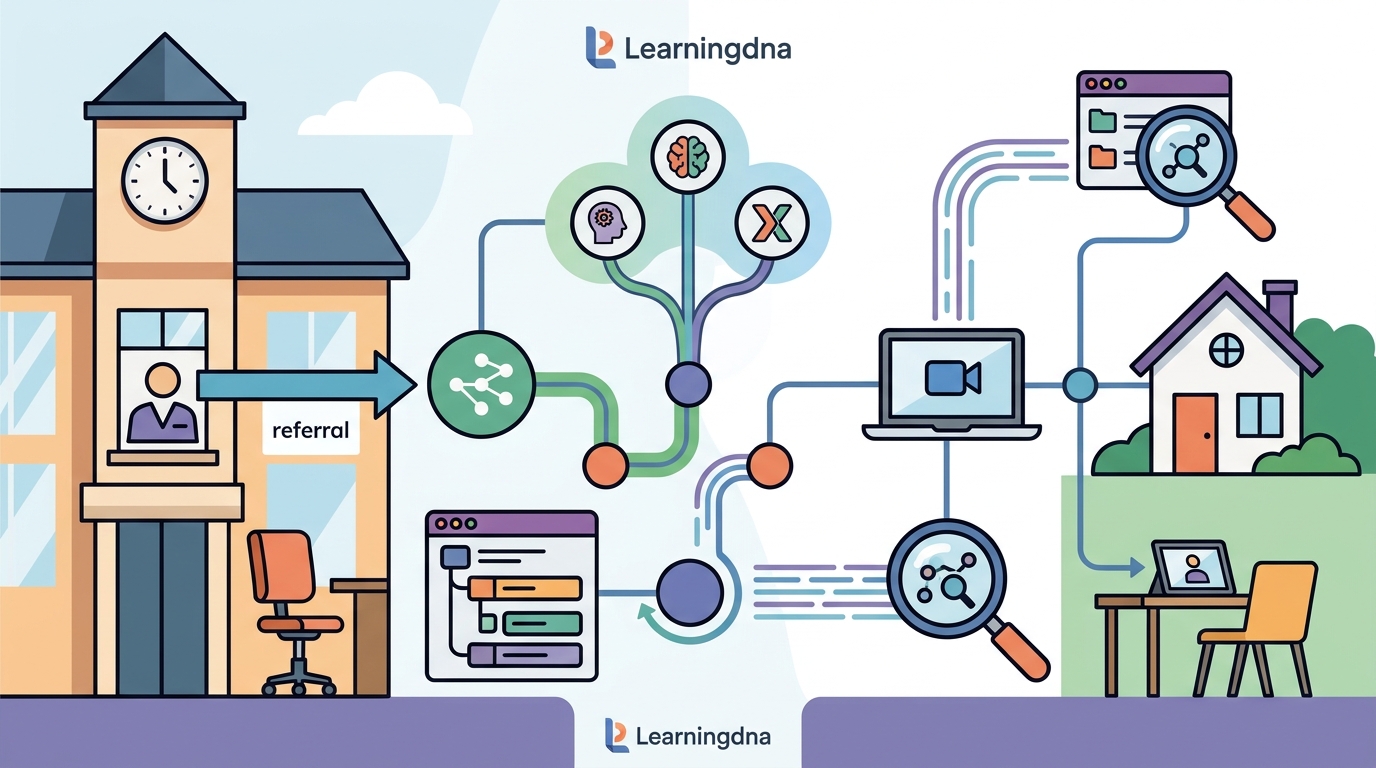
Accessing these services usually begins with a simple referral from the school's Special Educational Needs Coordinator (SENCo). The SENCo identifies students who may benefit from a deeper diagnostic look and initiates the process through an online portal. This initial step ensures that the right students are prioritized based on their specific academic and behavioral challenges. according to Plan and deliver
Once the referral is submitted, the family is contacted to provide consent. This is a critical step, as remote assessments require active participation from parents or guardians. The family then schedules a convenient time for the initial consultation, which is often a brief call to discuss concerns and outline the assessment plan. This flexibility is a major advantage for busy families who struggle to find time for in-person appointments.
The actual assessment phase involves a series of online sessions. These may include standardized cognitive tests, reading and writing evaluations, and behavioral questionnaires. The clinician interacts with the student in real-time, observing their responses and engagement. After the sessions are complete, the clinician compiles a detailed report that highlights the student's strengths and areas for development. This report is shared with both the school and the family, ensuring everyone is on the same page.
Benefits for Schools and Families
One of the most significant benefits of remote assessment is the reduction in waiting times. Schools can access specialist support much faster than they might through traditional local authority routes. This speed allows for earlier intervention, which is crucial for students who are struggling academically or socially. Early identification can prevent small issues from becoming major barriers to learning.
For families, the convenience of remote sessions is a game-changer. Parents do not need to arrange childcare or take time off work to travel to a clinic. This reduces the financial and logistical burden on households. Additionally, students often feel more comfortable in their own environment, which can lead to more accurate assessment results. A relaxed student is more likely to perform to their true ability, giving the clinician a clearer picture of their needs.
Choosing the Right Provider
When selecting a remote assessment provider, schools should look for a team with relevant qualifications and experience. The clinicians should be registered with recognized bodies, such as the Health and Care Professions Council (HCPC) for speech and language therapy or the British Psychological Society for psychological assessments. These credentials ensure that the professionals are adhering to high standards of practice and ethics.
It is also important to consider the provider's approach to data security. Since these assessments involve sensitive personal information, the platform must be secure and compliant with data protection regulations. Look for providers that are ISO 27001 certified or have similar security accreditations. This ensures that student data is protected throughout the assessment and tracking process. according to Neurodiversity Teaching Strategies
Finally, schools should evaluate the provider's ability to integrate with their existing systems. A good digital clinic will offer tools that allow SENCos to track progress and share evidence easily. This integration saves time and reduces administrative burden. By choosing a provider that aligns with their specific needs, schools can create a seamless support system for their neurodiverse students.
Key Takeaways
- Remote neurodiversity assessments allow schools to access specialist diagnostics without requiring families to travel.
- The process typically begins with a SENCo referral and involves online sessions with qualified clinicians.
- Remote assessments can significantly reduce waiting times, enabling earlier intervention for struggling students.
- Students often perform better in familiar home environments, leading to more accurate diagnostic results.
- Providers should be chosen based on clinician qualifications, data security standards, and integration capabilities.
- Digital clinics often offer ongoing tracking tools that help schools monitor progress and adjust support strategies.
Frequently Asked Questions
What conditions can be assessed remotely?
Remote assessments can evaluate a wide range of neurodiversity conditions, including ADHD, autism, dyslexia, and other specific learning difficulties. The specific conditions available depend on the provider's specialist team and the tools they use.
How long does a remote assessment take?
The duration varies depending on the complexity of the case and the specific conditions being evaluated. A comprehensive assessment may involve several sessions over a few weeks, but the initial consultation is usually much shorter.
Do parents need to be present during the assessment?
Yes, parental involvement is typically required for remote assessments. Parents or guardians often participate in initial consultations and may be asked to complete questionnaires or provide background information.
Is remote assessment as accurate as in-person assessment?
When conducted by qualified professionals using validated tools, remote assessment can be just as accurate as in-person assessment. The key is ensuring that the student is in a suitable environment and that the clinician can observe them effectively.
How does the school receive the assessment report?
The report is usually shared digitally with both the school and the family. This allows for easy access and sharing with other professionals involved in the student's care.
Can schools use remote assessments for all students?
Remote assessments are best suited for students who show signs of neurodiversity or specific learning difficulties. Schools should use their professional judgment to determine which students would benefit from a deeper diagnostic look.Where can I find more information about remote assessment services?
You can explore the Learning DNA school support services to learn more about their digital SEND clinic and how it can benefit your students.