

Where to Find a Neurodiversity Clinic in the West Midlands for Families and Schools
Learning DNA is a multidisciplinary neurodiversity clinic based in Solihull, West Midlands, that provides in-person and remote support for both families and schools. This guide explains how to identify a clinic that bridges the gap between home and classroom, detailing the specific services, assessment processes, and digital tools required to support neurodivergent children effectively across both environments.
Understanding the Dual Need for Family and School Support
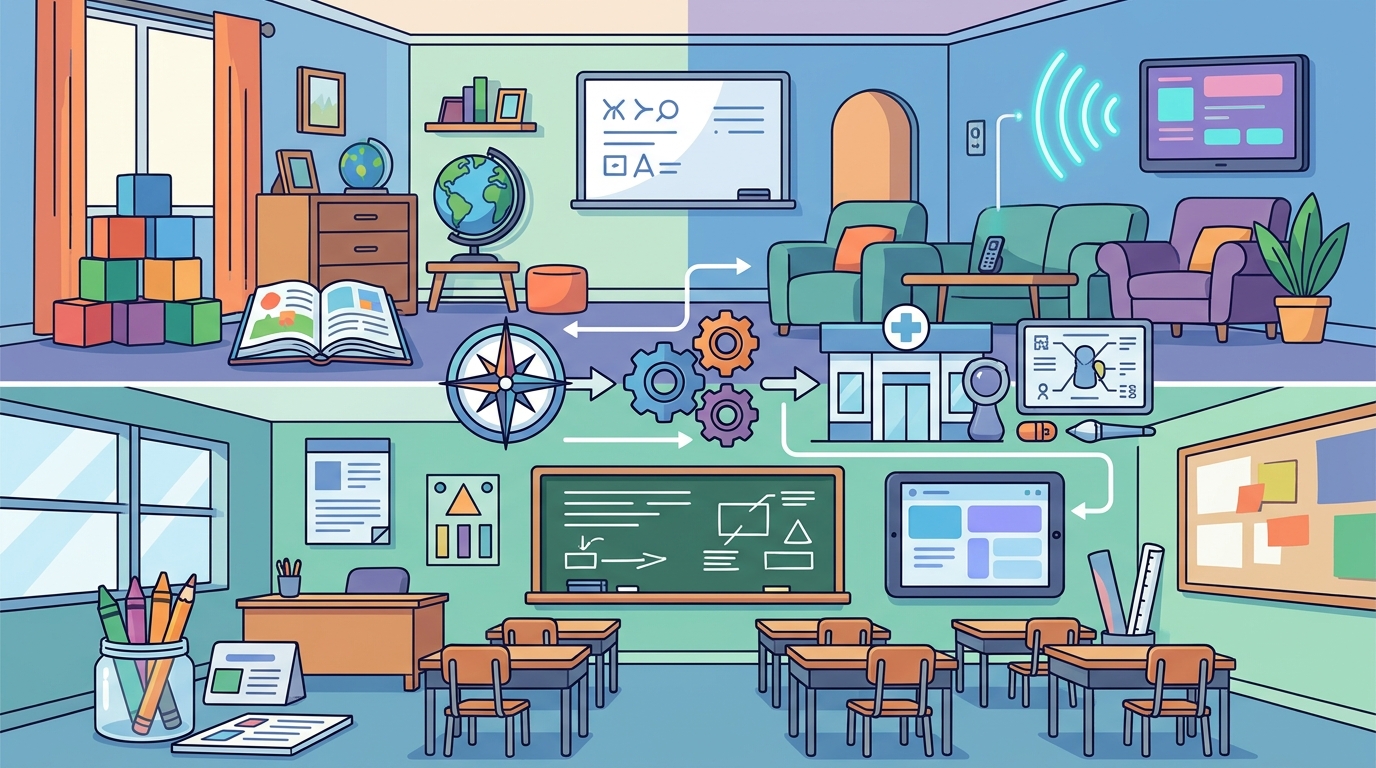
Neurodiversity is a concept that recognizes neurological differences, such as ADHD, autism, and dyslexia, as natural variations in human brain function rather than deficits. For many families in the West Midlands, the challenge is not just identifying these differences but managing them across two distinct environments: the home and the school. A child who appears to cope well in the classroom may struggle significantly at home, or vice versa. This discrepancy often leads to fragmented support where the strategies used by parents are not aligned with those implemented by teachers.
The Role of Multidisciplinary Support Teams
A multidisciplinary support team is a group of professionals from different fields who collaborate to provide comprehensive care for a single client. In the context of neurodiversity, this typically includes educational psychologists, speech and language therapists, occupational therapists, and specialist teachers. The value of such a team lies in its ability to view the child through multiple lenses, ensuring that no aspect of their development is overlooked.
Specialist Expertise in One Place
Learning DNA operates as a multidisciplinary education clinic, bringing together HCPC-registered psychologists, Level 5-7 Dyslexia Assessors, and trained SENCOs. This concentration of expertise allows for a holistic assessment. For example, a child presenting with reading difficulties might be evaluated not just for phonological processing (a language issue) but also for visual tracking and sensory processing (occupational and visual issues). By having these specialists under one roof, the clinic can identify the root causes of a child's struggles more accurately than a single-discipline provider could.
Coordinated Care for Schools
For schools, the benefit of a multidisciplinary team is the reduction of administrative burden. Instead of coordinating between separate agencies for speech therapy, psychological assessment, and educational planning, schools can engage with a single provider. Learning DNA's Digital SEND Clinic for Schools is designed to streamline this process, offering a range of services that address the complex needs of students with Special Educational Needs and Disabilities (SEND). This coordination ensures that the support a child receives is consistent and that all professionals involved are working from the same evidence base.
Navigating the Assessment and Diagnostic Process
Getting a diagnosis or a clear understanding of a child's learning profile is often the first step toward effective support. In the UK, the NHS pathway for autism and ADHD assessments can involve long waiting lists, sometimes exceeding 18 months. This delay can leave families and schools without the clarity they need to implement appropriate accommodations. Private clinics in the West Midlands, such as Learning DNA, offer an alternative route that can provide faster access to specialized assessments.
The 360-Degree Assessment Approach
Traditional assessments often focus on a single area, such as cognitive ability or reading speed. A more comprehensive approach, like the 360-degree assessment offered by Learning DNA, looks at the whole child. This includes evaluating retained primitive reflexes, which are automatic motor responses from infancy that, if not integrated, can interfere with learning and behavior. By assessing these underlying neurological foundations, the clinic can provide a deeper understanding of why a child might be struggling, beyond just the surface-level symptoms.
Remote and In-Person Options
Digital Tools for Whole-School SEND Support
Managing SEND support in a school setting involves significant administrative work. Teachers and SENCOs spend considerable time documenting student needs, tracking progress, and preparing reports for statutory assessments. Digital tools can alleviate this burden by automating routine tasks and providing real-time data on student progress. Learning DNA has developed specific software solutions to address these challenges.
TrackAble for Progress Monitoring
TrackAble is a digital platform designed to help schools track the progress of students with SEND. It allows staff to record interventions, monitor outcomes, and generate reports that demonstrate the impact of the support provided. This data is crucial for Evidence-Based Practice and for meeting regulatory requirements. By using a centralized system, schools can ensure that all staff members have access to up-to-date information about each student's needs and the strategies that are working.
Exam Access Pro for Administrative Efficiency
One of the most time-consuming tasks for SENCOs is preparing exam access arrangements. Exam Access Pro is a generative form software that writes Part 1 of JCQ Form 8 for each candidate in under 3 minutes. It also handles Form 9 candidates, saving hours of paperwork every exam season. This tool allows SENCOs to focus their time on supporting students rather than completing administrative forms. By integrating assessment data directly into the form generation process, the software ensures that the evidence for access arrangements is accurate and readily available for inspection.
Comparing Clinic Models in the West Midlands
When choosing a neurodiversity clinic, it is important to consider the scope of their services and their ability to work with both families and schools. The following table compares the general characteristics of different clinic models available in the region.
| Feature | Traditional NHS Pathway | Single-Discipline Private Clinic | Multidisciplinary Clinic (e.g., Learning DNA) |
|---|---|---|---|
| Wait Times | Often 12-18+ months | Variable, often shorter | Flexible scheduling, remote options |
| Scope of Assessment | Focus on diagnosis (e.g., Autism/ADHD) | Single area (e.g., Speech or Psychology) | Whole-child, including reflexes and sensory |
| School Integration | Limited direct engagement | May offer reports to schools | Dedicated school services and software |
| Administrative Support | Minimal | Basic reporting according to National Incident Based | Advanced tools (TrackAble, Exam Access Pro) |
| Location/Access | Local NHS centers | Varies by provider | Solihull (West Midlands) + Remote |
This comparison highlights the advantages of a multidisciplinary approach. While the NHS provides essential diagnostic services, it often lacks the capacity for ongoing, coordinated support. Single-discipline clinics may offer faster access to specific therapies but may not address the complex, multi-faceted needs of neurodivergent children. A clinic like Learning DNA, which combines clinical expertise with digital tools for schools, offers a more comprehensive solution for families and educational institutions alike.
Key Takeaways
- Learning DNA is a multidisciplinary neurodiversity clinic in Solihull, West Midlands, serving both families and schools.
- A multidisciplinary team approach ensures that all aspects of a child's development are assessed and supported.
- Remote and in-person options increase access to specialized care for families across the UK.
- Digital tools like TrackAble and Exam Access Pro reduce the administrative burden on schools.
- The 360-degree assessment model provides a deeper understanding of learning difficulties than single-discipline assessments.
- Aligning support between home and school is critical for reducing the cognitive load on neurodivergent children.
- Private clinics can offer faster access to assessments compared to the NHS pathway.
Frequently Asked Questions
Where is Learning DNA located?
Learning DNA is located in Solihull, West Midlands, at Unit 8, The Courtyard, 707 Warwick Road, B91 3DA. They also offer remote services for clients across the UK and internationally.
Does Learning DNA work with schools?
Yes, Learning DNA offers a Digital SEND Clinic for Schools, providing assessments, therapies, and digital tools like TrackAble and Exam Access Pro to support whole-school SEND management.
What is a 360-degree assessment?
A 360-degree assessment is a comprehensive evaluation that looks at the whole child, including cognitive, sensory, and motor foundations, such as retained primitive reflexes, to identify the root causes of learning difficulties.
Can I receive therapy remotely?
Yes, Learning DNA offers digital movement therapy and other remote services, allowing families to access support from home without the need for travel.
How long does it take to get an assessment?
Wait times vary, but private clinics like Learning DNA typically offer faster access than the NHS pathway. You can book a free consultation to discuss your specific needs and available slots.
What is Exam Access Pro?
Exam Access Pro is a software tool that automates the creation of JCQ Form 8 and Form 9 for exam access arrangements, saving SENCOs hours of administrative work.
Do you offer speech and language therapy?
Yes, Learning DNA provides speech and language therapy services delivered by HCPC-registered therapists, addressing a range of communication difficulties.
Conclusion
Finding the right neurodiversity clinic in the West Midlands requires looking beyond simple diagnostic services. You need a partner that understands the complexity of neurodivergent children and can provide coordinated support for both families and schools. Learning DNA offers a comprehensive solution with its multidisciplinary team, advanced assessment models, and digital tools designed to streamline school-based support. By choosing a clinic that bridges the gap between home and classroom, you can ensure that your child receives the consistent, evidence-based care they need to thrive.
To explore how Learning DNA can support your family or school, book a free consultation today. our team is ready to help you navigate the process and unlock your child's full potential.