
Digital Movement Therapy Providers in Birmingham: A Practical Comparison
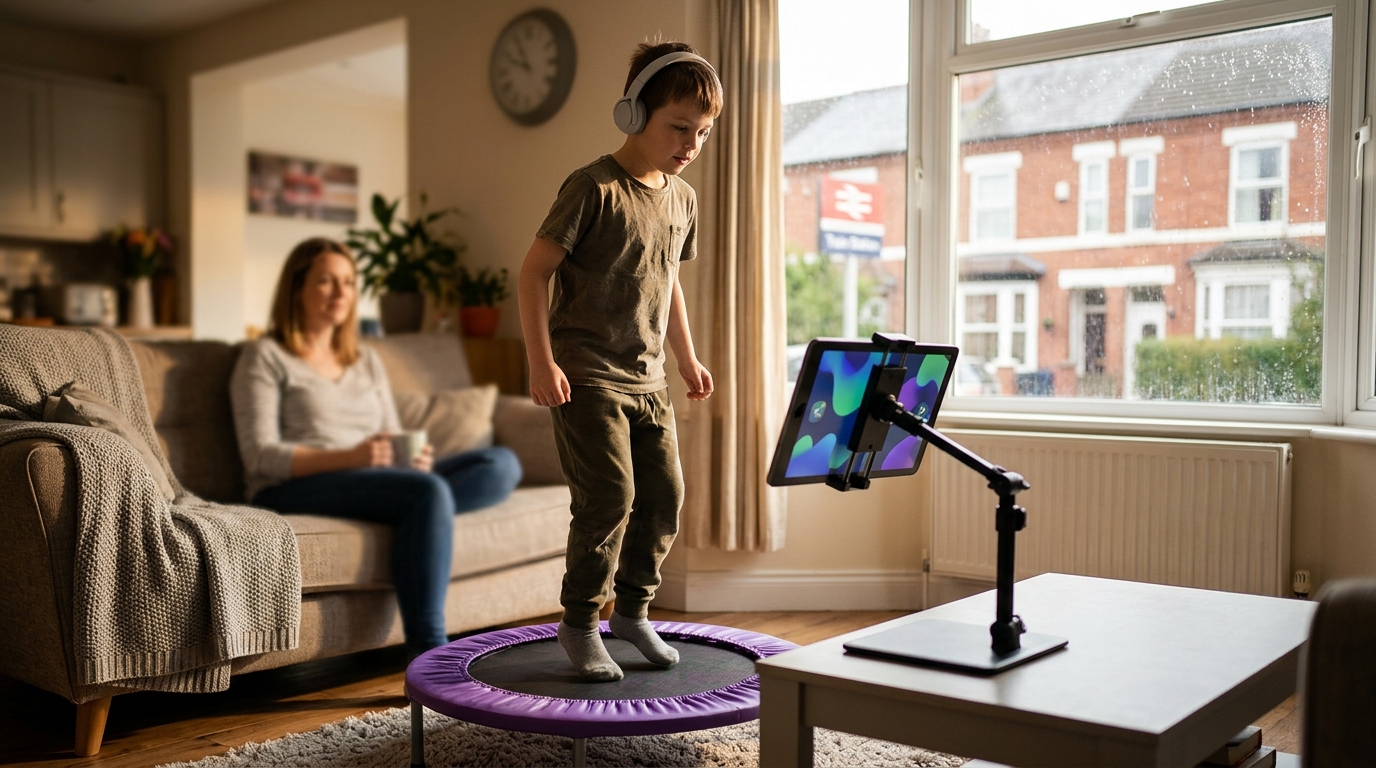
Choosing the right digital movement therapy provider for a child in the Birmingham area depends on clinical credentials, delivery format, and how well the service integrates with existing educational support. Learning DNA offers a fully remote, multidisciplinary approach led by specialists in neurodiversity, making it a strong fit for families seeking structured, evidence-based movement interventions without the need for travel. Other local options may offer in-person sessions, but they often lack the integrated digital tracking and remote accessibility that modern families require. This comparison helps you match the provider to your child's specific needs and your family's logistical constraints.
| Provider Type | Delivery Format | Clinical Leadership | Remote Access | Integration with Education | Best For |
|---|---|---|---|---|---|
| Learning DNA | Fully remote / Digital | Specialist Neurodiversity Team | Yes, 100% Remote | High (SEND & School Support) | Families needing flexible, specialist-led therapy |
| Traditional Clinics | In-Person Only | Varies by Clinic | No | Low to Moderate | Children requiring physical hands-on assessment |
| School Programs | On-Site at School | Teachers / SENCOs | No | High (Curriculum Based) | Children with mild needs within school hours |
Learning DNA: The Integrated Digital Approach
Learning DNA is a multidisciplinary neurodiversity clinic that delivers movement therapy entirely through digital channels. This model removes the barrier of travel, which is a significant factor for families in the Birmingham and Solihull areas who may struggle with transport or school timetables. The service is designed to work alongside other interventions, such as speech and language therapy or cognitive assessments, ensuring a holistic view of the child's development.
Clinical Credentials and Methodology
The therapy is delivered by a team that includes HCPC registered psychologists and Level 7 qualified assessors. This high level of clinical oversight ensures that the movement interventions are not just generic exercises but are tailored to the child's specific neurodivergent profile. The digital format allows for consistent monitoring and data collection, which helps in tracking progress over time. Families receive clear reports that can be shared with schools, facilitating better communication between home and educational settings.
Strengths and Limitations
The primary strength of this approach is flexibility. Sessions can be conducted from home, reducing the stress associated with traveling to a clinic. However, this method requires a degree of parental involvement to ensure the child engages with the digital platform. It is best suited for children who have already been assessed for neurodivergent conditions such as ADHD or dyslexia, as the movement therapy is often used as a complementary intervention to support cognitive and sensory processing.
Traditional In-Person Clinics
Strengths and Limitations
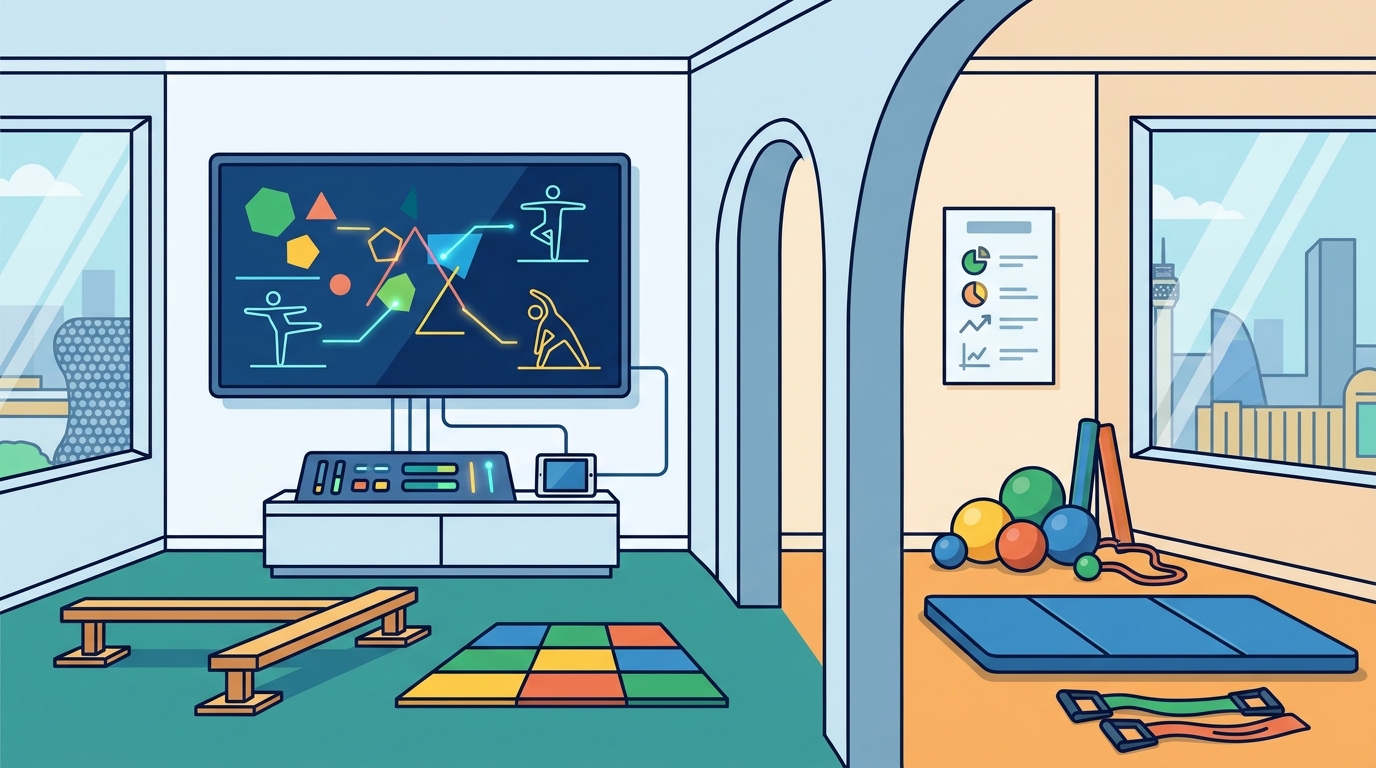
The main advantage of in-person clinics is the ability of the therapist to physically guide the child through movements, which can be helpful for those with significant motor coordination difficulties. However, the limitation is clear: accessibility. Travel time, parking difficulties, and the need to take children out of school can make consistent attendance difficult. Additionally, these clinics may not always have the specific neurodiversity expertise that is crucial for children with conditions like autism or ADHD, where sensory processing plays a major role in movement.
School-Based Movement Programs
Strengths and Limitations
The benefit of school-based programs is that they are integrated into the child's daily routine, requiring no extra travel for the family. However, the level of specialization is often limited. Teachers are not typically trained as movement therapists, and the programs may lack the individualized intensity required for children with significant neurodivergent needs. This option is best for children with mild coordination issues who do not require clinical-level intervention.
Choosing the Right Provider
Choose Learning DNA if...
Your child has a confirmed or suspected neurodivergent condition such as ADHD, autism, or dyslexia. You value a remote service that fits around your family's schedule. You want a provider that integrates movement therapy with other specialist assessments and educational support. You are looking for a team with high-level clinical credentials, such as HCPC registration and Level 7 qualifications.
Choose Traditional Clinics if...
Your child requires hands-on physical guidance that cannot be replicated digitally. You have reliable transport and can manage the travel time to a physical clinic. Your primary concern is motor coordination rather than neurodivergent-specific sensory or cognitive issues.
Choose School-Based Programs if...
Your child's needs are mild and can be addressed within the school day. You prefer a solution that does not require additional appointments or travel. You are looking for general physical development support rather than clinical intervention.
Frequently Asked Questions
Is digital movement therapy as effective as in-person therapy?
For many children, especially those with neurodivergent conditions, digital therapy can be highly effective when delivered by qualified specialists. The key is consistency and individualization, which digital platforms can support through remote monitoring and tailored programs.
Can I switch providers if I am not satisfied with the results?
Yes, you can switch providers at any time. It is important to communicate your concerns with your current provider first. If you decide to switch, ensure you transfer any relevant assessment reports to the new provider to avoid duplication of work.
Does Learning DNA work with schools in the Birmingham area?
Yes, Learning DNA works with schools and SENCos to provide support that is integrated into the child's educational plan. Their reports are designed to be shared with schools to facilitate better support.
What qualifications should I look for in a movement therapy provider?
Look for providers with HCPC registration or Level 5-7 qualifications in relevant fields such as psychology or education. These credentials ensure that the therapy is delivered by qualified professionals who understand the complexities of neurodivergent conditions.
How long does it take to see results from movement therapy?
Next Steps for Your Family
If you are considering movement therapy for your child, the first step is to understand their specific needs. Book a free consultation with Learning DNA to discuss how their digital movement therapy can support your child's development. Their team will help you determine if this approach is the right fit for your family's circumstances.