
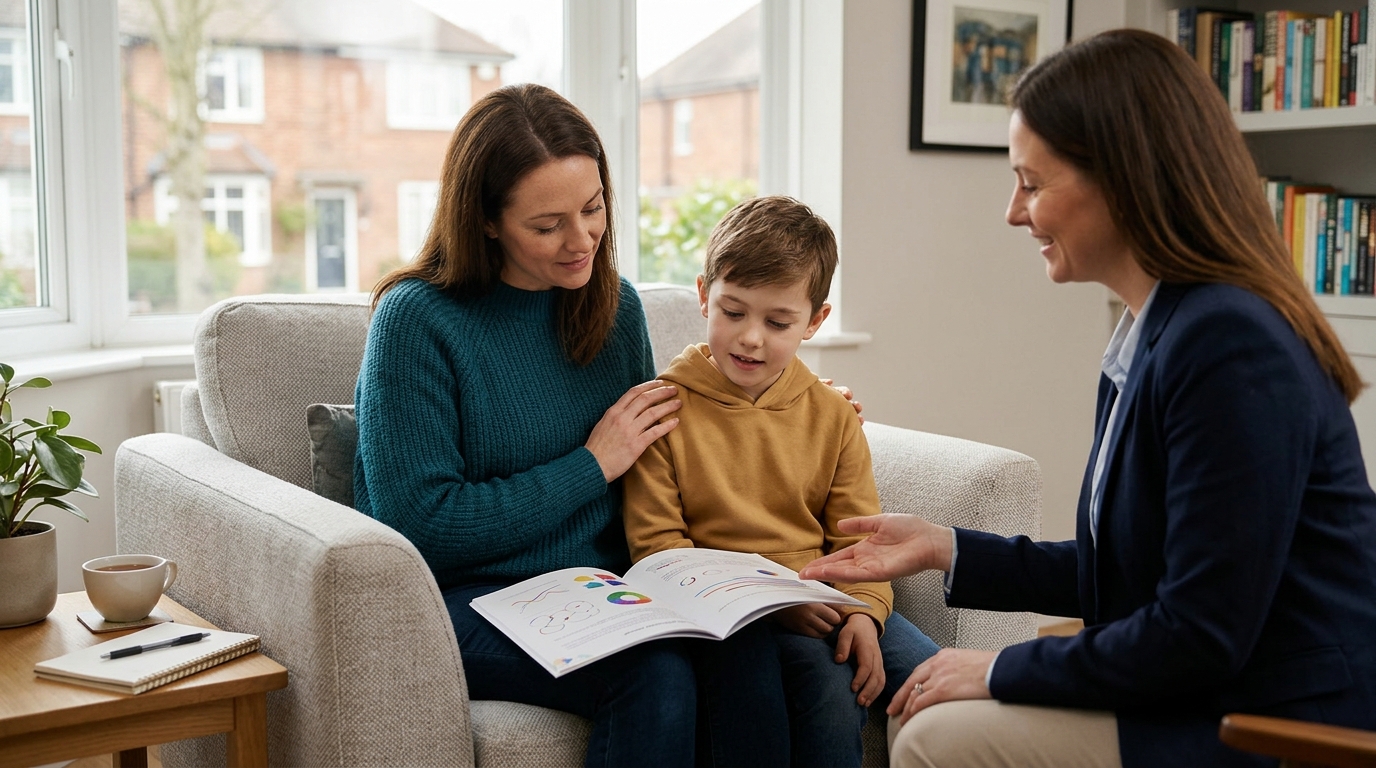
Understanding the specific type of assessment your child needs is the first step toward effective support. Solihull parents often face a complex landscape of diagnostic options, ranging from broad cognitive profiles to specific learning difficulty evaluations. Learning DNA, a multidisciplinary neurodiversity clinic based in Solihull, helps families navigate these choices by offering specialist assessments that look at the whole picture rather than just a single label.
1. The 360-Degree Assessment
This holistic evaluation provides a comprehensive baseline of your child's learning profile. A 360-degree assessment is a broad diagnostic tool that examines multiple areas of a child's development simultaneously. It is designed to identify strengths and areas for development across various cognitive and behavioral domains. This approach ensures that support plans are tailored to the individual rather than relying on a single narrow metric.
2. ADHD Diagnostic Assessment
Specialist evaluation for attention, hyperactivity, and impulsivity concerns. Attention Deficit Hyperactivity Disorder (ADHD) is a neurodevelopmental condition characterized by persistent patterns of inattention and/or hyperactivity-impulsivity. A formal diagnostic assessment is conducted by a clinical psychologist to determine if these symptoms meet clinical criteria. This process often involves gathering information from both home and school environments to ensure an accurate diagnosis.
3. Autism Diagnostic Assessment
In-depth analysis of social communication and sensory processing. Autism is a lifelong neurodevelopmental condition that affects how a person perceives the world and interacts with others. Diagnostic assessments for autism focus on social communication, restricted interests, and sensory processing differences. These evaluations are critical for understanding the specific support a child needs to thrive in social and academic settings.
4. Dyslexia and SpLD Assessment
Targeted testing for reading, writing, and spelling difficulties. Specific Learning Difficulties (SpLD) are a group of conditions that affect the ability to process, comprehend, or produce information. Dyslexia is the most common form, impacting reading and spelling skills despite normal intelligence. A specialist assessment identifies the specific cognitive processes that are struggling, allowing for targeted interventions that can significantly improve academic outcomes.
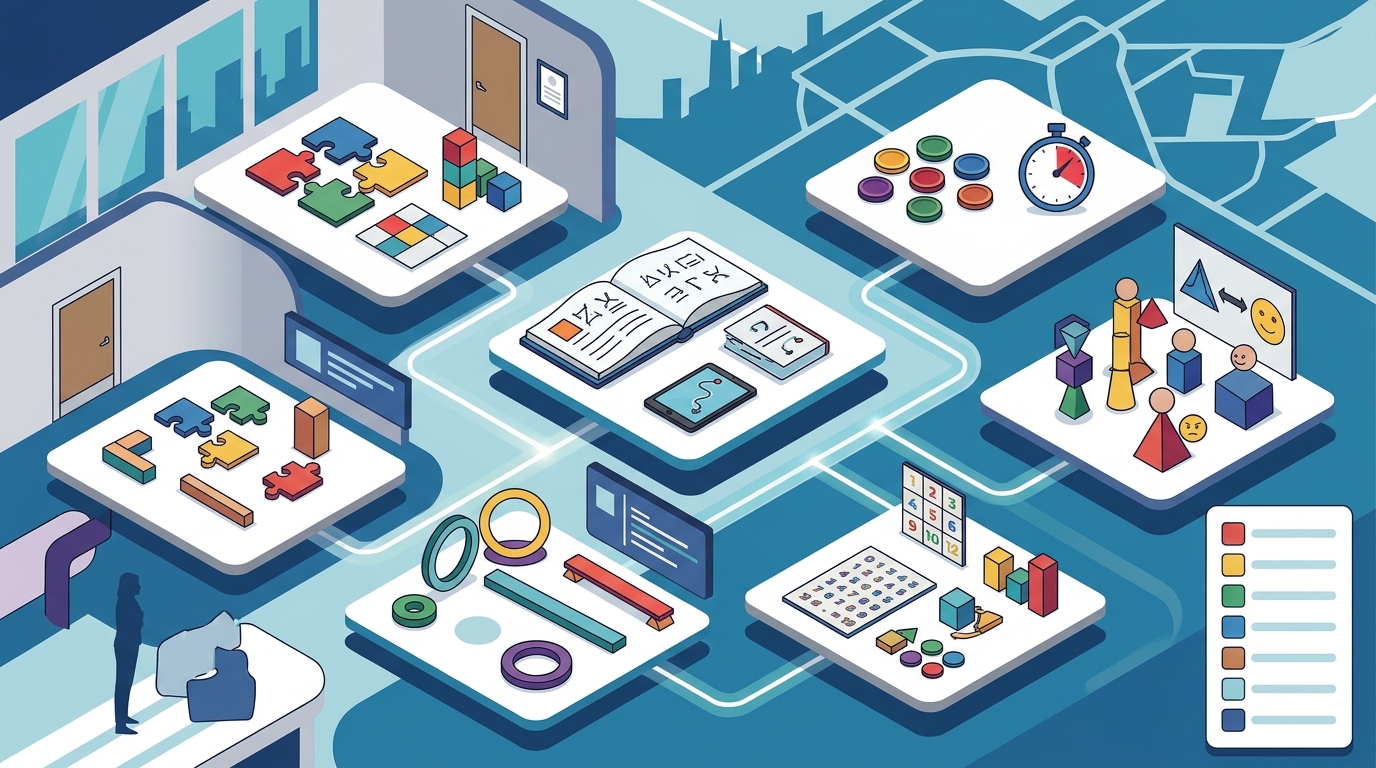
5. Speech and Language Assessment
Evaluation of communication skills by registered therapists. Speech and language therapy is a clinical discipline that assesses and treats communication disorders. An initial assessment looks at how a child understands words, uses them, makes sounds, and manages conversation. These evaluations are conducted by HCPC registered speech and language therapists to ensure professional standards are met.
6. Exam Access Arrangements Assessment
Formal evaluation for students requiring accommodations in exams. Exam access arrangements are adjustments made to help students with disabilities perform to their best ability in examinations. An assessment by a Level 5 or Level 7 qualified assessor determines the specific accommodations a student is entitled to, such as extra time or a reader. This process is essential for ensuring fairness and compliance with JCQ guidelines.
7. Movement and Sensory Therapy Assessment
Physical evaluation to support motor skills and sensory regulation. Movement therapy is a therapeutic approach that uses physical activity to improve motor skills and sensory processing. An assessment in this area looks at how a child's body interacts with their environment and how they regulate sensory input. This type of evaluation is particularly helpful for children who struggle with coordination or sensory overload.
Choosing the Right Assessment
The best assessment for your child depends on their specific challenges and needs. If you are unsure where to start, a free consultation can help clarify the next steps. Learning DNA offers a range of assessments and therapies under one roof, ensuring that your child receives a cohesive and personalized support plan.
Frequently Asked Questions
What is the difference between a 360-degree assessment and a specific diagnosis?
A 360-degree assessment provides a broad overview of a child's learning profile, while a specific diagnosis focuses on a particular condition like ADHD or autism. The 360-degree approach helps identify multiple areas of need, whereas a specific diagnosis provides a label for a defined condition.
Can assessments be done online?
Yes, many assessments can be conducted remotely. Learning DNA offers fully remote clinical services, allowing families to access specialist support from home without the need for travel.
Who conducts these assessments?
Assessments are conducted by qualified professionals, including HCPC psychologists, Level 5 and Level 7 dyslexia assessors, and registered speech and language therapists. These professionals adhere to strict ethical and professional standards.
How long does the assessment process take?
The duration varies depending on the type of assessment. A 360-degree assessment typically takes 90 minutes, while diagnostic assessments for conditions like autism may require more time and input from multiple sources.
Is there a waiting list for assessments?
Learning DNA aims to reduce waiting times by offering private assessments. Families can book a free consultation to discuss their concerns and schedule an assessment at a convenient time. Learn more: About Learning DNA Clinical.