
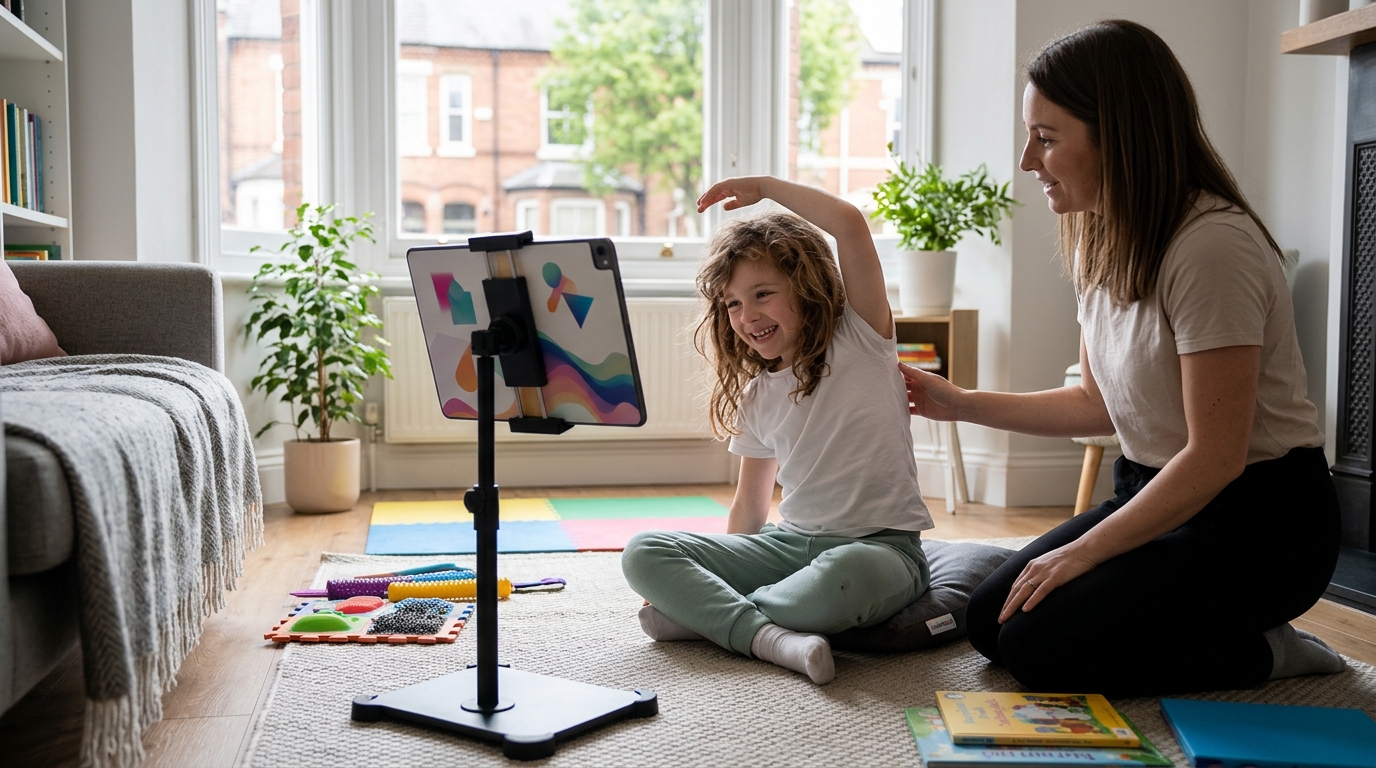
Parents in Birmingham often seek targeted interventions to support children with sensory processing difficulties, ADHD, or dyslexia. Digital movement therapy provides a flexible, evidence-based approach that can be delivered remotely or in-person. This listicle outlines five practical options available in the region, focusing on accessibility and clinical outcomes.
1. Learning DNA Digital Movement Therapy
Specialist-led remote therapy combining movement science with digital monitoring. Learning DNA offers a dedicated digital movement therapy service designed for children with learning difficulties. This approach uses validated tools to assess neuro-motor maturity and provides tailored movement exercises. The program is delivered by a multi-disciplinary team, ensuring that physical interventions align with cognitive and educational goals.
2. Remote Neuro-Motor Maturity Assessments
Data-driven evaluation of developmental readiness for education. A neuro-motor maturity assessment is a clinical process that measures a child's physical development against educational readiness benchmarks. These assessments can be conducted remotely, allowing families in Birmingham to access specialist insights without travel. The resulting data helps identify retained primitive reflexes that may hinder academic progress.
3. Home-Based Reflex Integration Programs
Structured exercises to release primitive reflexes and improve focus. Retained primitive reflexes are involuntary movement patterns that can persist into childhood and affect attention and coordination. Digital platforms provide guided video exercises that parents can facilitate at home. This option is particularly useful for children who struggle with sensory overload or have difficulty sitting still in traditional classroom settings.
4. School-Integrated Digital SEND Support
Whole-school tracking and intervention for neurodivergent pupils. Schools in the Birmingham area can integrate digital movement therapy into their Special Educational Needs and Disabilities (SEND) provision. This model allows educators to track progress and adjust interventions in real-time. It ensures that movement-based strategies are consistent between home and school environments.

5. Hybrid Clinic and Online Therapy Models
Flexible scheduling combining in-person assessment with remote follow-up. A hybrid model is a service structure that offers initial face-to-face assessments followed by digital therapy sessions. This approach reduces the burden on families while maintaining clinical oversight. It is ideal for families who prefer in-person contact for diagnosis but require the convenience of remote therapy for ongoing support.
Choosing the Right Option
Select a digital movement therapy option based on your child's specific needs and your family's logistical constraints. If you require a comprehensive diagnostic pathway, look for providers with clinical psychologists and Level 7 assessors. For ongoing support, prioritize services that offer remote monitoring and clear progress tracking.
Frequently Asked Questions
Is digital movement therapy suitable for all children?
Digital movement therapy is most effective for children with sensory processing difficulties, ADHD, or dyslexia. It is not a replacement for medical treatment but serves as a complementary intervention to support learning and development.
How long does a typical digital movement therapy program last?
Programs typically run for one half term, including assessment and remote monitoring. The duration may vary depending on the child's progress and specific developmental needs.
Can parents deliver digital movement therapy at home?
What is the difference between movement therapy and physical therapy?
Movement therapy focuses on neuro-motor maturity and cognitive readiness, while physical therapy addresses musculoskeletal health. Movement therapy is often used in educational contexts to support learning outcomes.
Are there any costs associated with digital movement therapy?
Costs vary by provider. Some clinics offer affordable payment plans to spread the cost of services over several months, making specialist support more accessible for families.